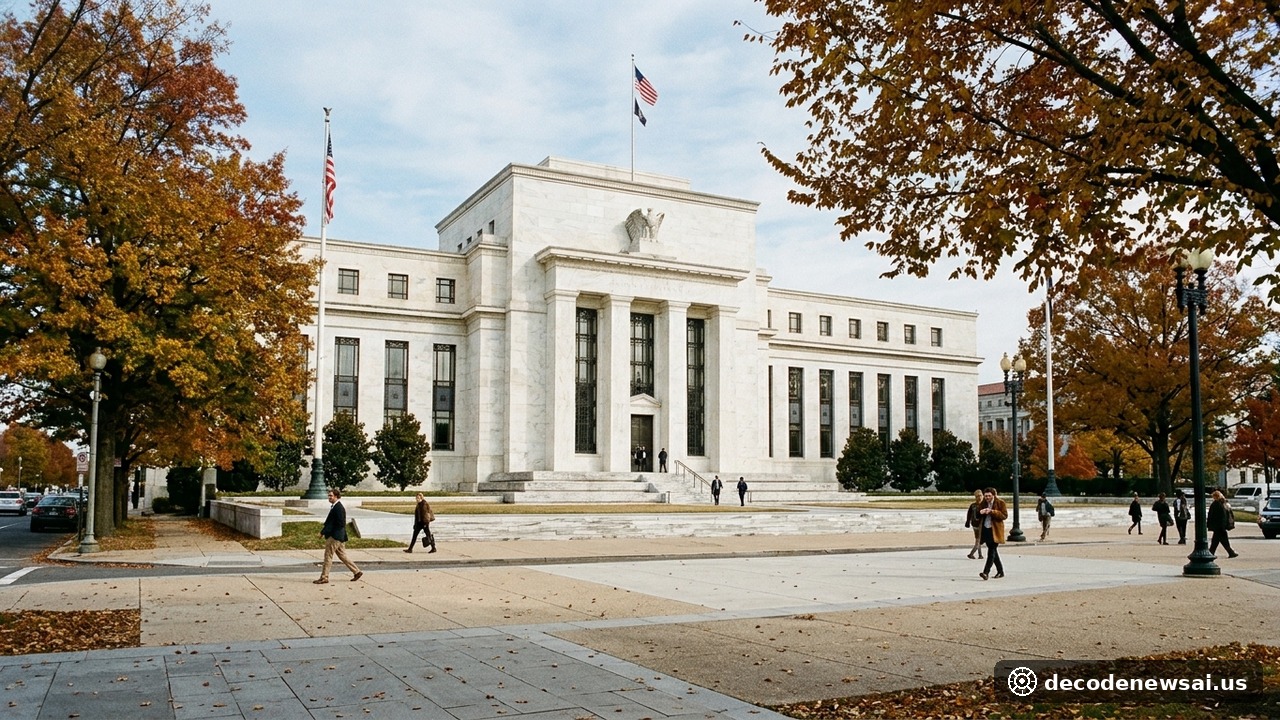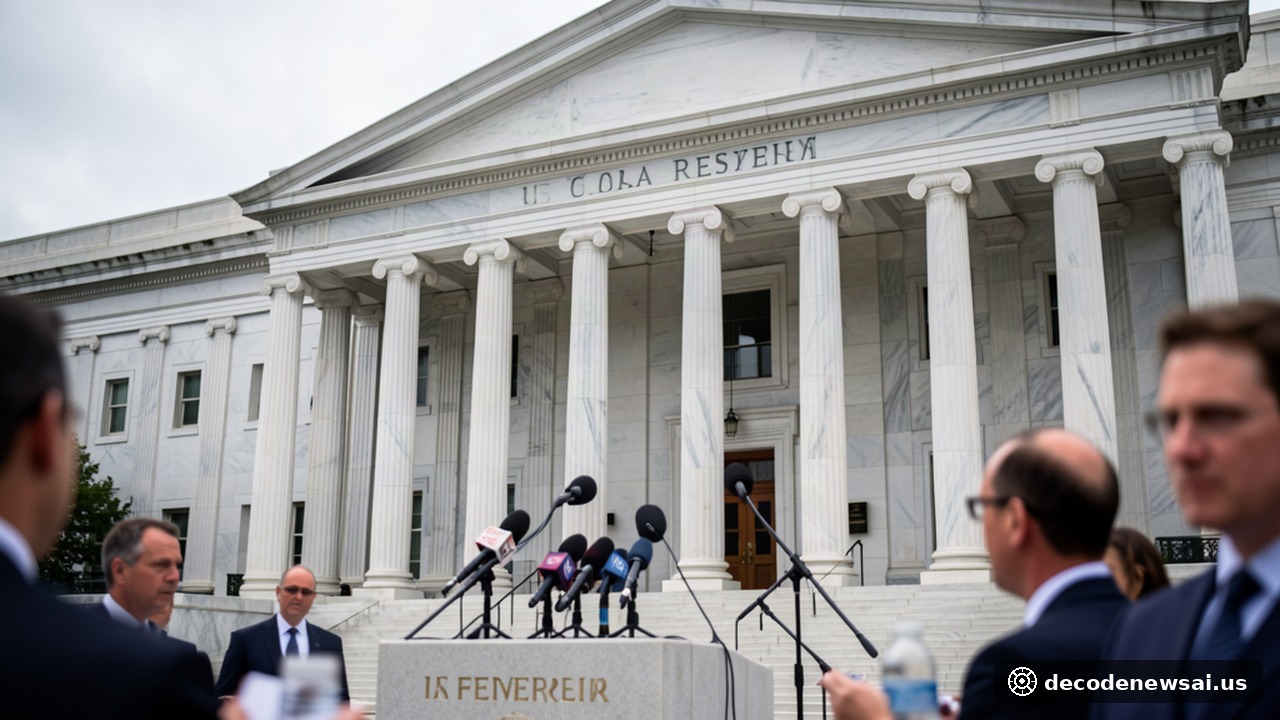
WASHINGTON - Federal Reserve Governor Michelle Bowman delivered a policy address on Nov. 10 affirming her support for maintaining the benchmark federal funds rate target range at 3.75% to 4.00%. Central bank officials confirmed that capital-intensive artificial intelligence computing expansions and structural energy bottlenecks are generating persistent non-labor inflationary pressures.
What happened?
Federal monetary policymakers convened roundtables on Nov. 10 to evaluate price pressures across electricity grids and credit markets. In her address, Bowman noted that inflationary impulses over the past two years were not primarily driven by labor tightness. Rapid construction of multi-gigawatt artificial intelligence data centers has driven wholesale electricity rate increases, elevating operating costs. Central bank economists observed that borrowing demand for advanced computing hardware remains robust.
Why does it matter?
The hawkish stance signals caution against premature rate cuts while capital spending fuels demand imbalances. Markets scaled back rate reduction bets following resilient third-quarter output and producer price data. In her speech on Nov. 10, Federal Reserve Governor Michelle Bowman stated that I see conditions in energy markets and the AI buildout as two important issues for the economy in the months ahead. Analysts stressed that policymakers require evidence of sustained moderation.
What happens next?
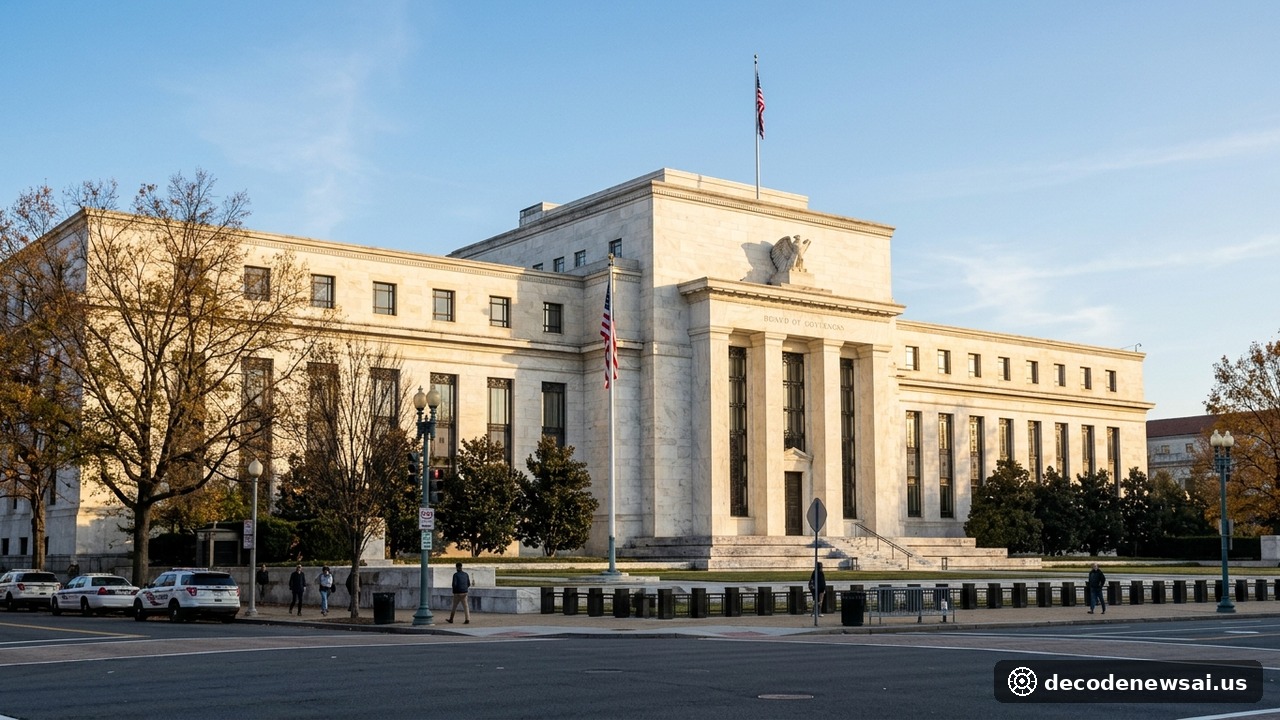
The Federal Open Market Committee will assemble in Washington on Dec. 15 for its final two-day interest rate policy session of 2026. Financial markets will review the Bureau of Labor Statistics November Consumer Price Index release scheduled for Dec. 10. The Federal Reserve Board will publish its comprehensive economic projections summary immediately following the policy announcement on Dec. 16.