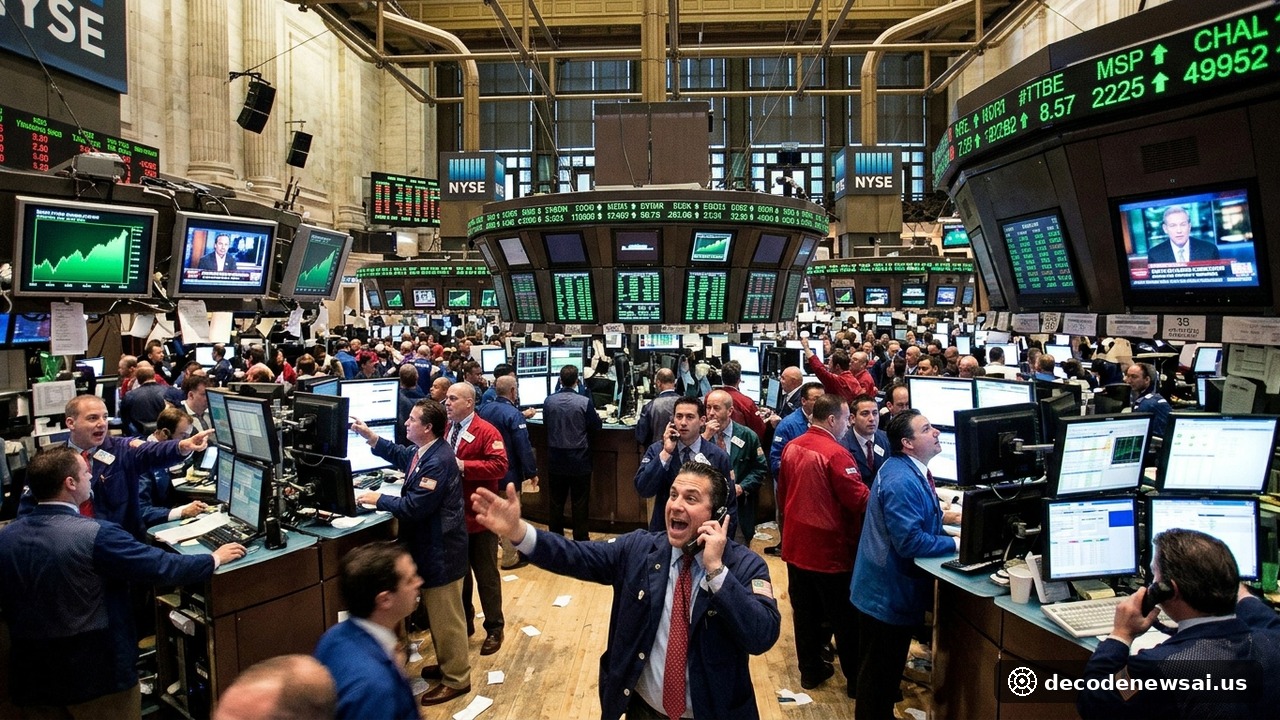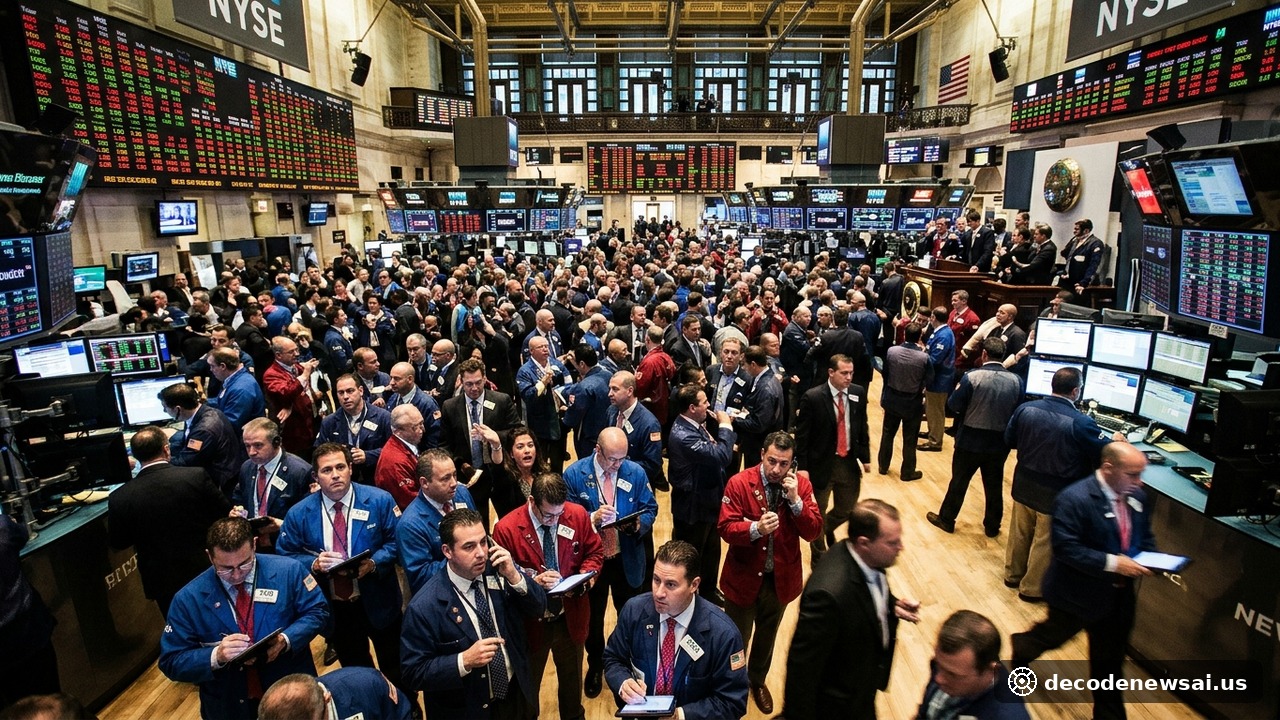
U.S. stocks closed mixed on Friday, November 13, 2026, as renewed selling in artificial intelligence chipmakers weighed on major indexes. The S&P 500 fell 30.73 points, or 0.4%, to 7,561.67. The Nasdaq composite dropped 229.82 points, or 0.9%, to 25,136.27. The Dow Jones Industrial Average recovered from early losses to edge up 50.46 points, or 0.1%, closing at 52,347.55.
For the week, the S&P 500 rose 2.5%, marking its first winning week since October and its strongest weekly advance since August. The benchmark index now stands up 10.5% for the year. The Nasdaq also snapped a four-week losing streak. Morningstar data showed energy and industrial stocks led the weekly rally, climbing 5.53% and 3.79%, respectively.
Semiconductor stocks remained under heavy pressure one day after Nvidia CEO Jensen Huang resigned amid a national security controversy. Longtime Chief Financial Officer Colette Kress stepped in as interim CEO while the board searches for a permanent replacement. The upheaval wiped more than $600 billion from Nvidia's market value this week. On Friday, Nvidia shares slid another 2%, Broadcom fell 4.8%, and Advanced Micro Devices dropped 8.8%.
Beneath the headline index drop, more than 60% of S&P 500 companies actually gained ground Friday. "Nvidia's pullback serves as a reminder of the concentration risk embedded in a market where a small number of mega-cap technology stocks have driven an outsized share of returns," said Angelo Kourkafas, senior global strategist at Edward Jones. Treasury yields pushed higher following Friday's wholesale inflation report, which showed persistent price pressures across food and broader goods. The 10-year Treasury yield rose to 5.15% from 5.10% late Thursday, while the two-year yield edged up to 4.87%.