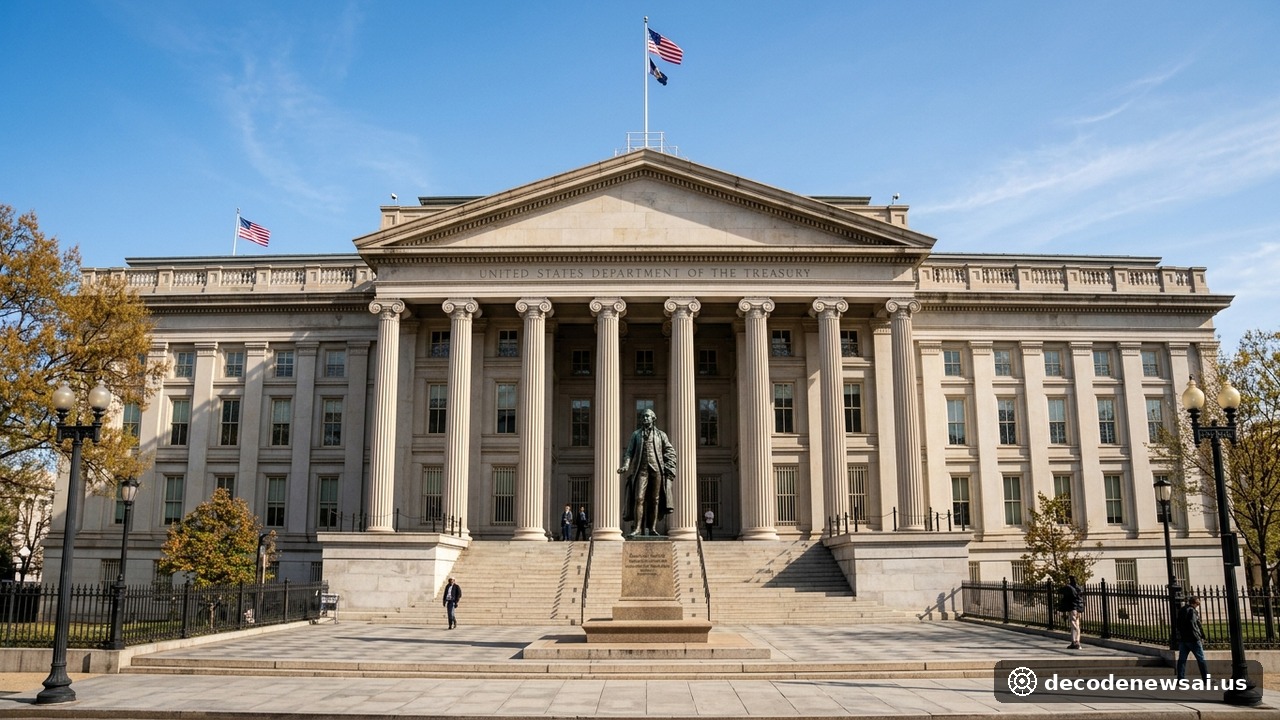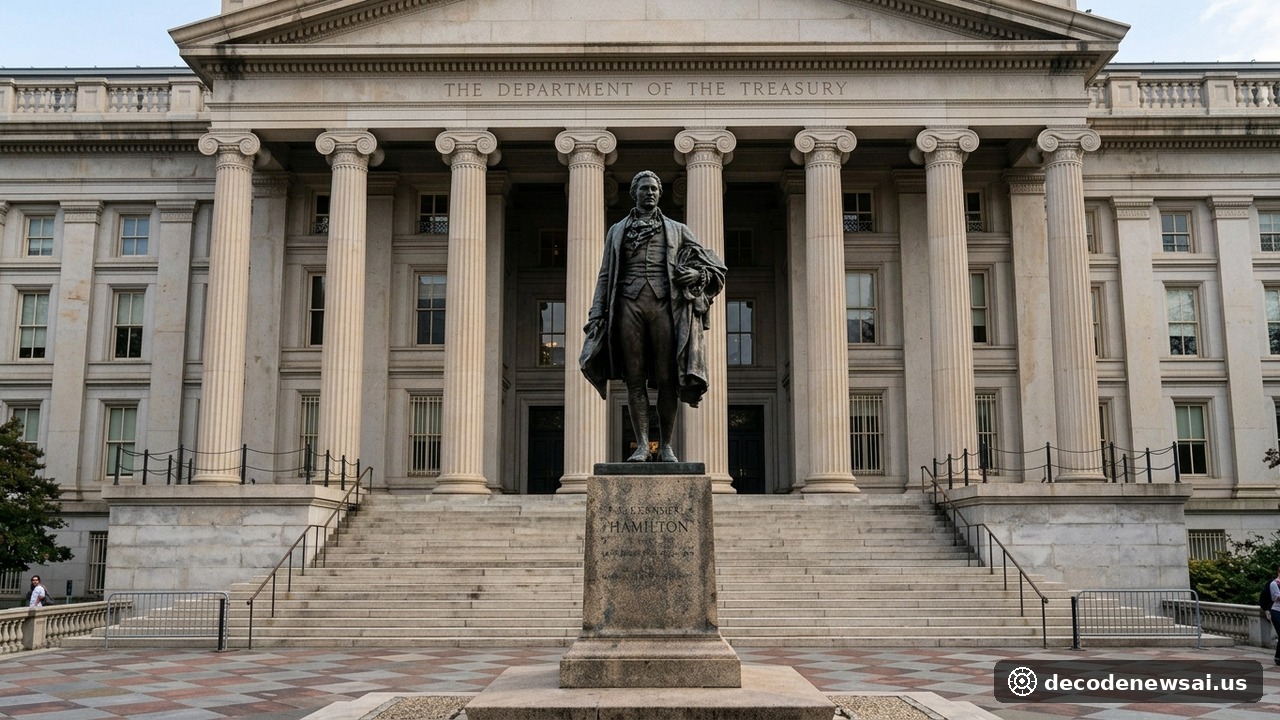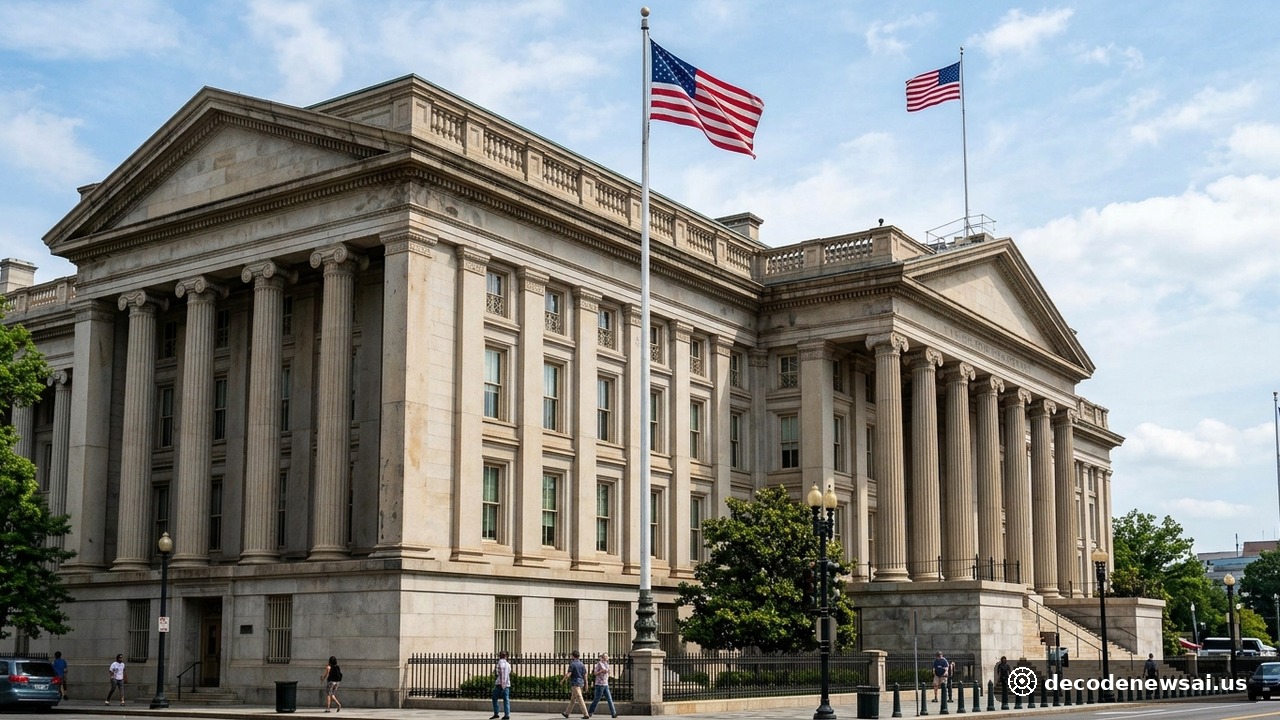
WASHINGTON — The United States Department of the Treasury conducted its monthly auction of $25 billion in 30-year bonds on Thursday, November 12, 2026, encountering soft institutional demand that pushed the high yield to 5.441 percent, with the clearing yield tailing pre-sale secondary market trading of 5.437 percent and triggering an immediate upward move across benchmark long-term borrowing costs.
According to official auction allotment statistics released by the Treasury at 1:00 p.m. Eastern Time, the bid-to-cover ratio dropped to 2.36 from 2.54 in October's 30-year issuance; indirect bidders absorbed 68 percent of competitive awards versus 72 percent in the preceding sale, while direct bidders took 18.4 percent, forcing primary dealers to absorb the remaining 13.6 percent. Immediately following the results, the secondary market 30-year Treasury yield rose to 5.447 percent, approaching multi-decade highs; the 10-year benchmark yield remained elevated near 5.11 percent as traders priced persistent inflation dynamics and record quarterly borrowing. David Powell, head of macro fixed income strategy at Capital Macro Research, said in an institutional client advisory Thursday afternoon that the Treasury's expansion of issuance schedules alongside persistent multi-trillion-dollar federal deficits is forcing private bondholders to demand higher term premiums before committing capital to three-decade debt maturities. The Treasury's quarterly refunding schedule reflects escalating borrowing needs after the federal budget deficit surged to $257 billion in October alone, the first month of fiscal year 2026.
Freddie Mac's weekly survey confirmed the average 30-year fixed home mortgage rate reached 7.33 percent on Thursday, constraining homebuying affordability and pushing existing home transactions down to their lowest annualized pace since 2010. Corporate credit analysts noted that prolonged bond yields above 5.4 percent will elevate refinancing hurdles for investment-grade and high-yield corporate debt through 2027.