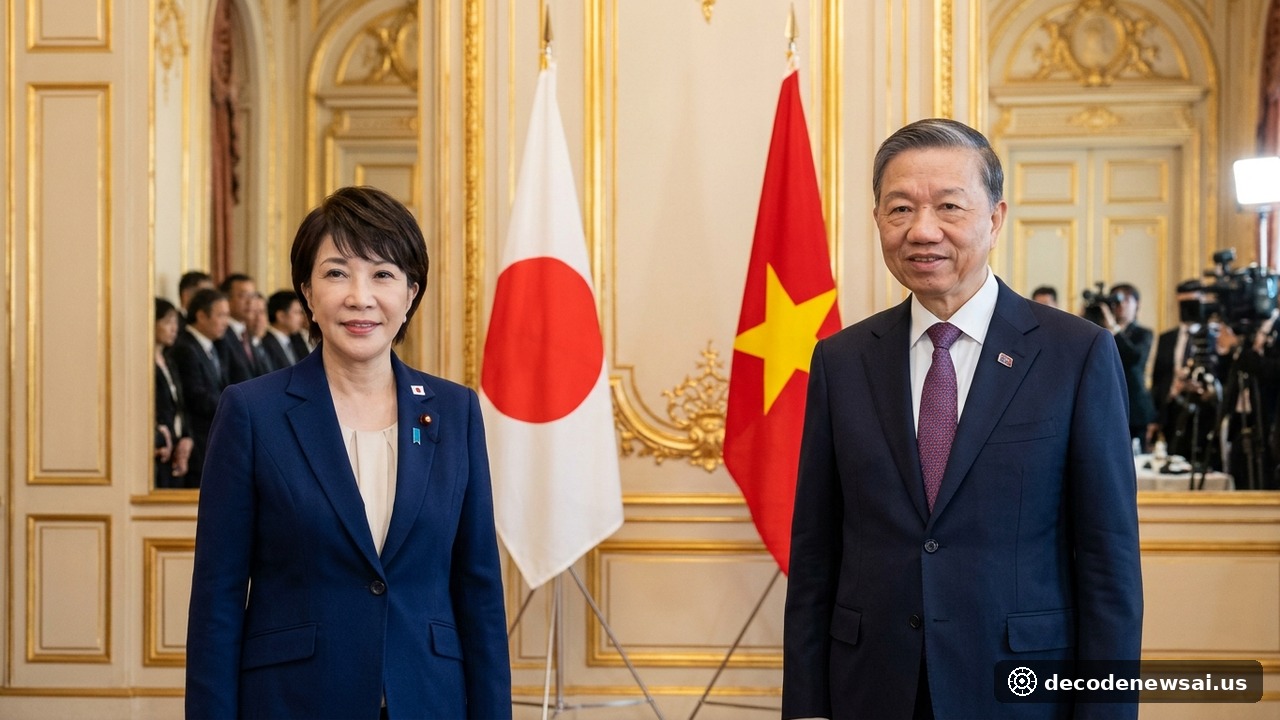
The US Department of State published a Joint Statement on US-Japan Seabed Mineral Resource Development on Thursday during an interagency delegation visit to Japan, following the second meeting of the US-Japan Working Group held on November 11 and 12 in Toyama, Japan; government officials, industry stakeholders, and technical experts convened to review bilateral deep-sea mining initiatives.
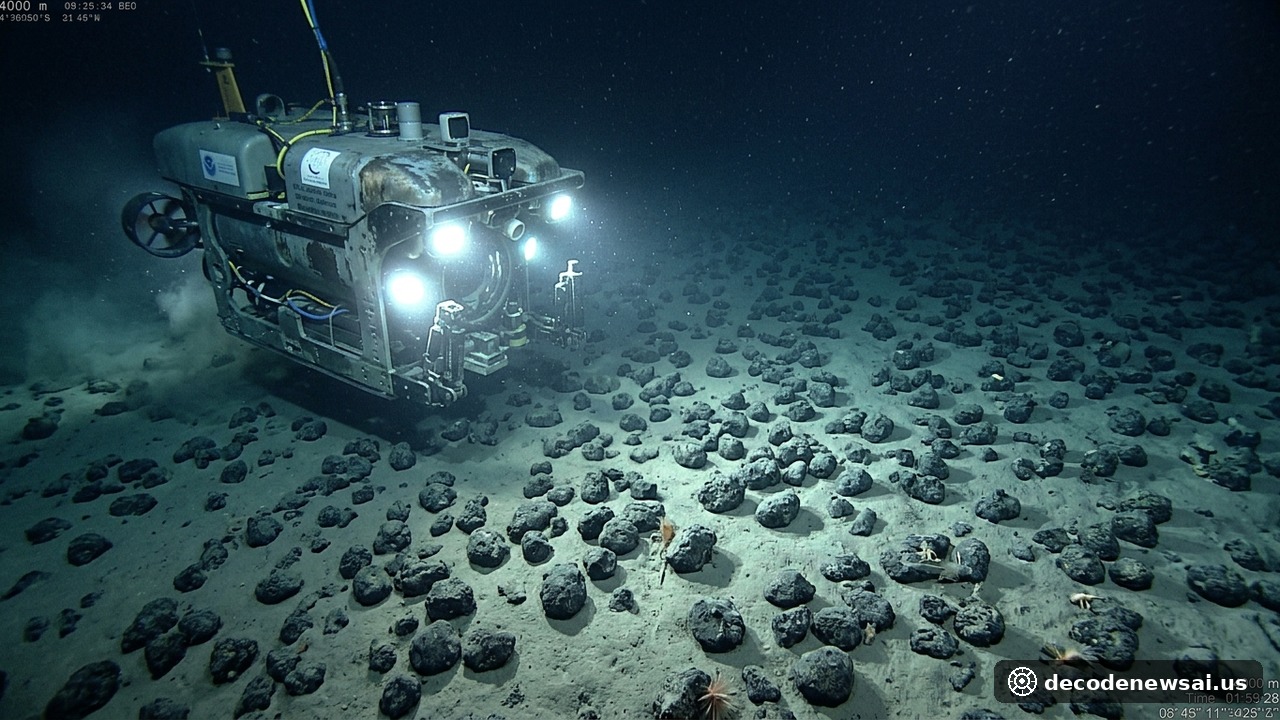
The bilateral working group assessed progress under the US-Japan Framework for Securing the Supply of Critical Minerals and Rare Earths through Mining and Processing, signed by President Donald Trump and Prime Minister Sanae Takaichi in October 2025; cooperation further advanced through a March 2026 Memorandum of Cooperation between the US Department of Commerce and Japan's Ministry of Economy, Trade, and Industry; during the Toyama sessions, delegates discussed Japan's rare-earth mud extraction project near Minamitorishima Island alongside ongoing polymetallic nodules initiatives across the Pacific seabed.
The two governments outlined nine priority action items covering supply chains, technology, and scientific research; Washington and Tokyo committed to securing mineral refining and processing capacity among trusted partners to reduce single-source supply chain vulnerabilities, and both governments pledged to safeguard sensitive seabed technologies, bathymetric datasets, and proprietary commercial information across all industrial partnerships; the United States and Japan plan to coordinate access to research vessels, autonomous underwater vehicles, and related exploration assets; officials agreed to exchange methodologies covering seabed mapping, resource characterization, and environmental monitoring.
The joint statement emphasized regulatory exchanges focused on data management, environmental assessments, and adaptive management; both governments intend to promote clear, streamlined, and predictable regulatory approaches that facilitate private investment in seabed minerals; the bilateral partners committed to promoting regulatory complementarity between domestic licensing frameworks and international seabed governance regimes to provide long-term commercial certainty for private-sector operators; Washington and Tokyo stated they will seek additional international partnerships to advance seabed mineral resource development.