Longest Shipping Exemption Continues Into 2027
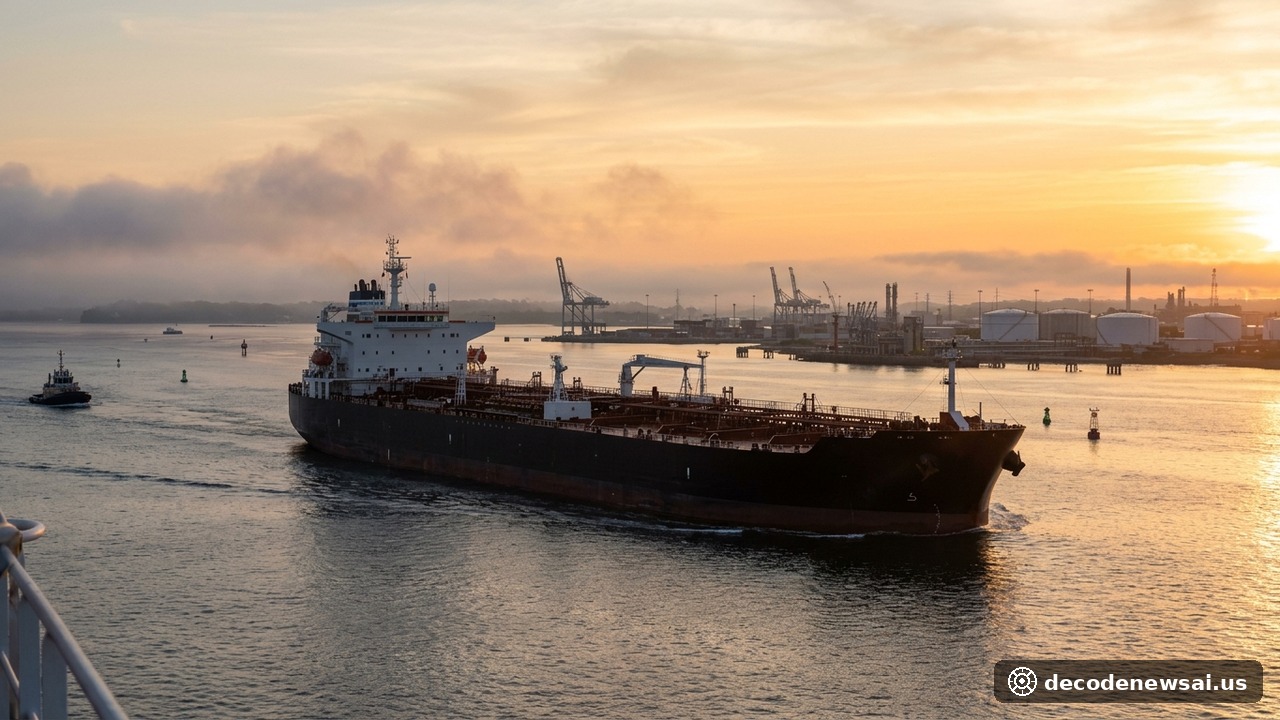
President Donald Trump extended a temporary Jones Act waiver for another 90 days on November 13, 2026, allowing foreign-flagged vessels to transport fuel and fertilizer between U.S. ports. The extension takes effect at 12:00 a.m. on November 16 without interruption after the current authorization expires at 11:59 p.m. on November 15. It marks the longest continuous waiver in the 1920 law's history. The exemption preserves case-by-case voyage reviews introduced in August.
Eligible cargoes include gasoline, jet fuel, crude oil, naphtha, liquefied natural gas, soybean oil, and agricultural fertilizers, while coal and coal-derived products remain excluded. An earlier extension on April 24 carried relief into mid-August, and a subsequent August 10 renewal introduced tighter voyage-by-voyage oversight. According to AAA data cited by WorkBoat, U.S. gasoline averaged $3.91 per gallon on November 12 compared with $2.98 before the war.
The American Maritime Partnership (AMP), representing U.S. vessel owners and shipyards, urged the administration on November 13 to end the exemption and protect domestic shipbuilding capacity. Maritime groups argue that repeated extensions delay more than $2.6 billion in U.S. vessel and shipyard investments while delivering minimal savings at the pump. AMP estimated the program cut retail gasoline prices by less than half a cent per gallon.
Government data analyzed by the Cato Institute and cited by Bloomberg showed foreign vessels had completed 338 voyages under the exemptions since March. The American Waterways Operators reported that foreign-flag waiver voyages dropped by 73 percent after the Maritime Administration instituted mandatory vessel-availability checks on August 15. In total, an additional 90 million barrels of petroleum moved between domestic ports since March, including 27 million barrels of gasoline, 26 million barrels of crude oil, and 6 million barrels of renewable fuels.