The White House signed an executive order establishing national workforce development and safety evaluation frameworks for artificial intelligence. It authorizes a National AI Workforce Transition Fund. The fund assists workers vulnerable to technological displacement in industrial logistics and clerical administrative professions. The order establishes binding algorithmic workplace bias testing standards for commercial model developers.
Statutory guidance released by the White House Council of Economic Advisers and the Department of Labor detailed fund allocations. The capital authorization distributes grants directly to accredited community colleges, state vocational apprenticeship consortia, and certified labor union training centers. Curriculum frameworks prioritize high-demand technical specializations including spatial data annotation, cybersecurity defense, and robotics automation maintenance. Federally subsidized corporate automation programs must include comprehensive employee reskilling pipelines.
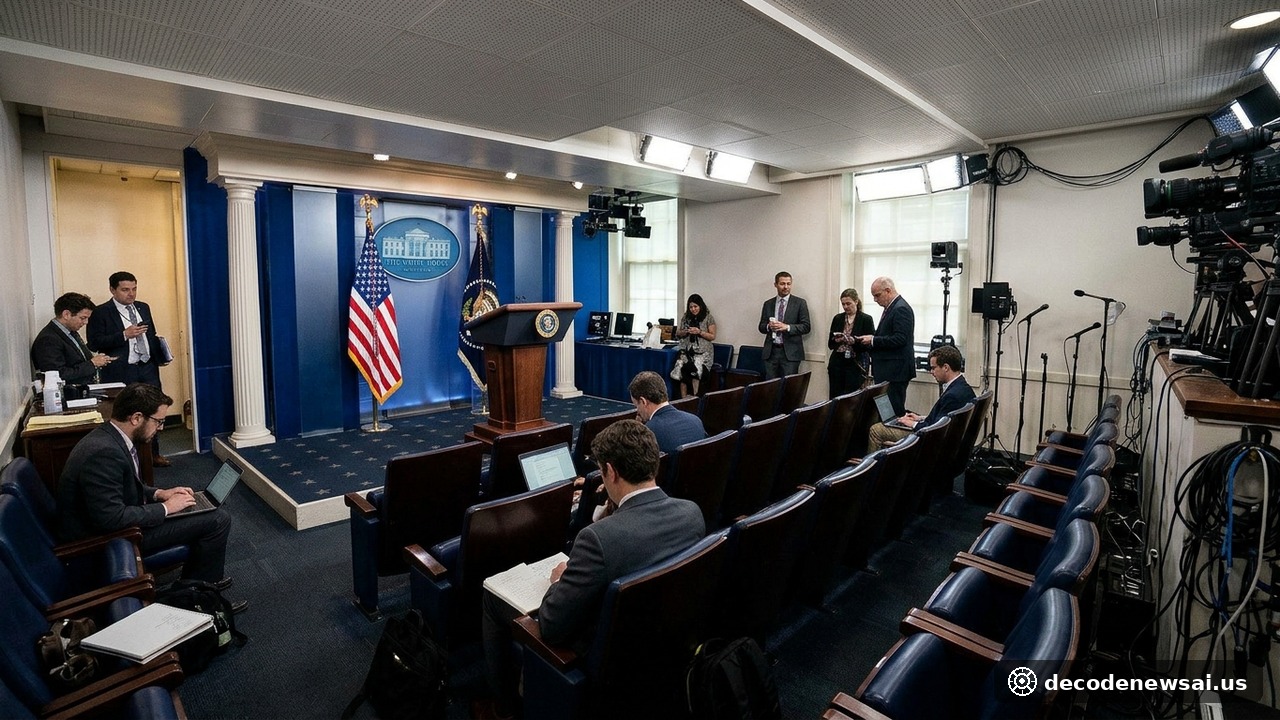
The Associated Press and The Washington Post reported that White House Domestic Policy Advisor Neera Tanden addressed civic leaders during a West Wing briefing. Tanden said technological disruption should not proceed at the expense of working families. She described the executive order as establishing a human-centered framework for artificial intelligence development and said corporations cannot capture efficiency dividends while transferring downstream dislocation costs onto American taxpayers. By funding a nationwide retraining architecture, she said, working men and women can participate equitably in the digital economy.
The presidential directive also establishes compliance requirements for foundation model developers. The National Institute of Standards and Technology, operating with the US Artificial Intelligence Safety Institute, must publish standardized algorithmic displacement benchmarks. Technology vendors bidding on federal commercial procurement contracts must submit certified algorithmic safety audits. Industrial manufacturing state governments in Michigan, Pennsylvania, and Ohio announced matching state funding programs, with governors’ offices coordinating partnerships with regional industrial employers to launch regional workforce academies. The Department of Labor will launch competitive digital grant solicitation portals for the initial funding tranche next month.