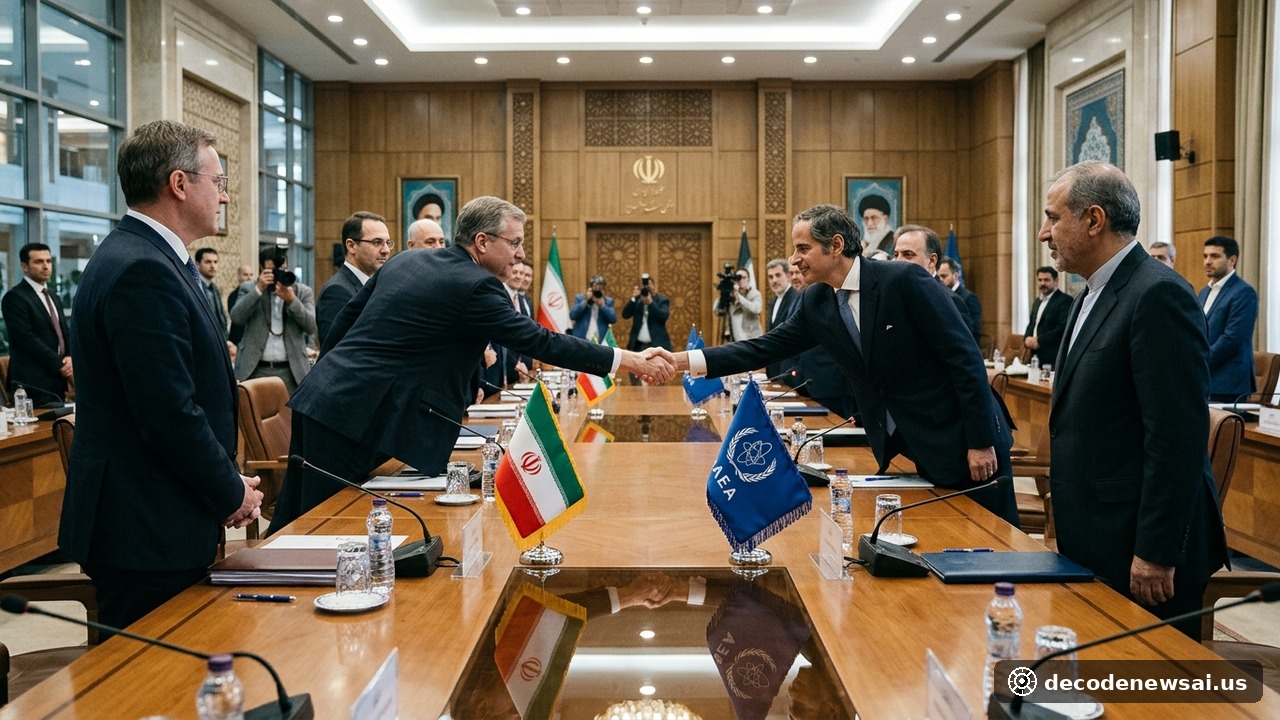
International Atomic Energy Agency Director-General Rafael Mariano Grossi arrived in Tehran on November 13, 2026, leading a technical delegation for critical consultations on nuclear safeguards. Grossi conducted closed-door discussions with Iranian President Masoud Pezeshkian and Foreign Minister Abbas Araqchi. The talks focused on restoring comprehensive international monitoring across Iranian nuclear facilities and verifying uranium enrichment levels. Agency surveillance records confirm that Iran's stockpile of uranium enriched to 60% purity reached 275 kilograms. The mission seeks to de-escalate Middle Eastern proliferation friction through verified international oversight protocols. Nuclear diplomacy advanced with measured urgency. Conditions remained clear.
Grossi Conducts Bilateral Sessions with Foreign Minister Reaffirming Verification Mandates
According to joint communiques published by the IAEA Vienna headquarters and the Atomic Energy Organization of Iran, Grossi conducted intensive negotiations spanning two and a half hours with Iranian Foreign Minister Abbas Araqchi. Grossi reaffirmed the statutory authority of the United Nations nuclear watchdog under the Treaty on the Non-Proliferation of Nuclear Weapons. He urged Iranian officials to restore operational surveillance cameras and facilitate unannounced inspector verifications across enrichment complexes in Natanz and Fordow. Multilateral safeguard compliance remains an urgent diplomatic priority. Bilateral technical exchanges proceeded constructively.
Speaking to international journalists following the ministerial assembly documented by The Hindu and Reuters, Director-General Rafael Grossi reviewed the strategic stakes. Grossi stated: "Diplomatic margins across the Middle East are narrowing rapidly." Grossi emphasized: "The international community requires verified empirical facts rather than extended procedural rhetoric. Our objective during these Tehran consultations is establishing direct technical cooperation with the Iranian leadership, ensuring all nuclear materials remain subject to continuous and rigorous international verification." Delegations acknowledged the necessity of technical clarity.
Iranian Foreign Minister Araqchi declared following the meeting that Tehran remains prepared to negotiate within a framework of reciprocal respect and technical fairness. Araqchi emphasized that Iran has not abandoned diplomatic engagements but will resist unilateral external pressures. Diplomatic representatives maintained measured diplomatic composure.
Iran's Stockpile of 60% Enriched Uranium Reaches 275 Kilograms Raising Safeguard Concerns
Ahead of the upcoming quarterly meeting of the IAEA Board of Governors in Vienna, nonproliferation specialists noted accelerated enrichment accumulation across Iranian underground cascades. Inspection reports indicate that since late last year, Iran's stockpile of 60% enriched uranium expanded by approximately one nuclear explosive equivalent per month, totaling roughly 20 kilograms monthly. Technical calculations demonstrate that 275 kilograms of 60% fissile material could be refined into weapons-grade purity for multiple nuclear devices if processed further. Fissile material stockpiles attracted intense international scrutiny.
Arms control analysts noted that previous restrictions on IAEA remote electronic sensors across centrifuge assembly facilities reduced operational transparency regarding advanced IR-6 centrifuge cascades. Restoring continuous electronic telemetry remains essential for international risk mitigation. Verification protocols required institutional renewal.
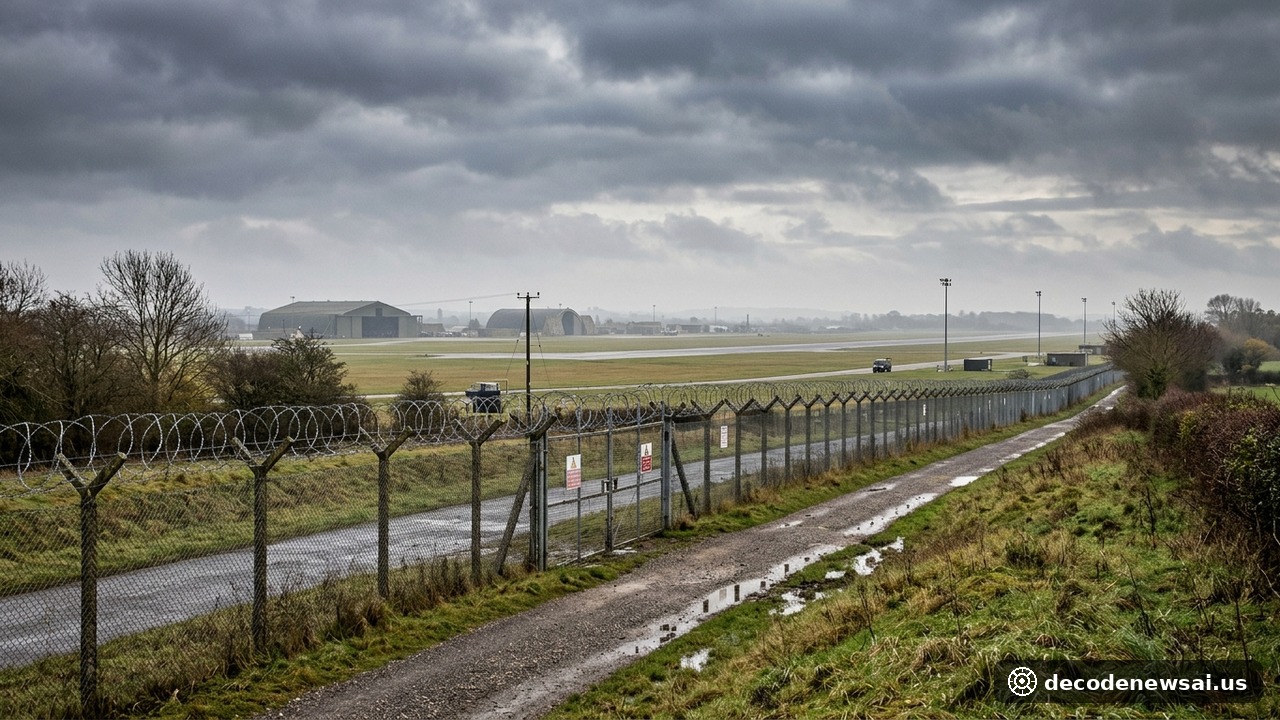
During the mission, Grossi traveled to the underground Natanz enrichment site and the hardened Fordow facility to observe centrifuge installations firsthand. The director-general inspected facility access points and physical containment structures. Field inspections concluded according to standard verification checklists.
Diplomatic Delegations Seek Interim Monitoring Frameworks During Global Leadership Transitions
Amid shifting geopolitical dynamics and impending executive transitions in key capitals, European and regional powers monitored Grossi's Tehran mission closely. Diplomatic representatives from France, Germany, and the United Kingdom are assessing Iranian technical counterproposals in Vienna. Delegations are exploring interim arrangements that prioritize renewing inspector visa clearances and restoring automated monitoring equipment without requiring immediate resolution of comprehensive political disputes. Regional nonproliferation frameworks require durable structural reinforcement.
Middle Eastern diplomatic strategists observed that concrete Iranian commitments regarding centrifuge enrichment ceilings and expanded inspector access would significantly lower the probability of escalatory regional confrontation. Diplomatic channels proved vital for international de-escalation.
Outside the foreign ministry conference building in Tehran, media teams monitored the conclusion of the bilateral mission. Following technical briefings, Grossi departed for the IAEA headquarters in Vienna to compile findings for the Board of Governors. International nonproliferation diplomacy advanced through complex regional geopolitical currents. Nuclear oversight dialogues maintained operational momentum. International security analysts emphasized that sustained verification dialogues provide structural stability and reduce regional military risks across the Middle East.