Direct Stereotactic Micro-Infusions into Putamen Deliver Functional DDC Transgenes
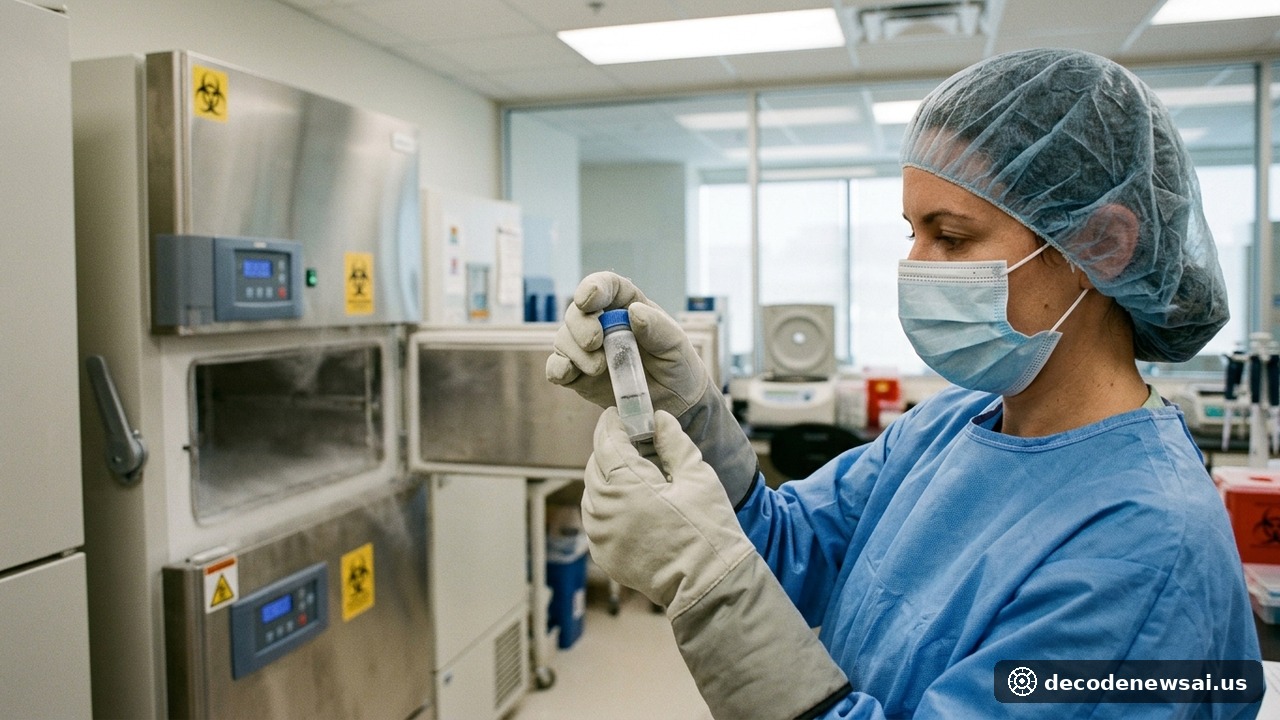
The United States Food and Drug Administration (FDA) announced on November 13, 2026, that it granted accelerated approval to PTC Therapeutics for Kebilidi (eladocagene exuparvovec-tneq). The decision licenses the first gene therapy approved in the United States designed for direct surgical administration into the brain to treat aromatic L-amino acid decarboxylase (AADC) deficiency in pediatric and adult patients with the rare, fatal genetic disorder affecting neurodevelopment.
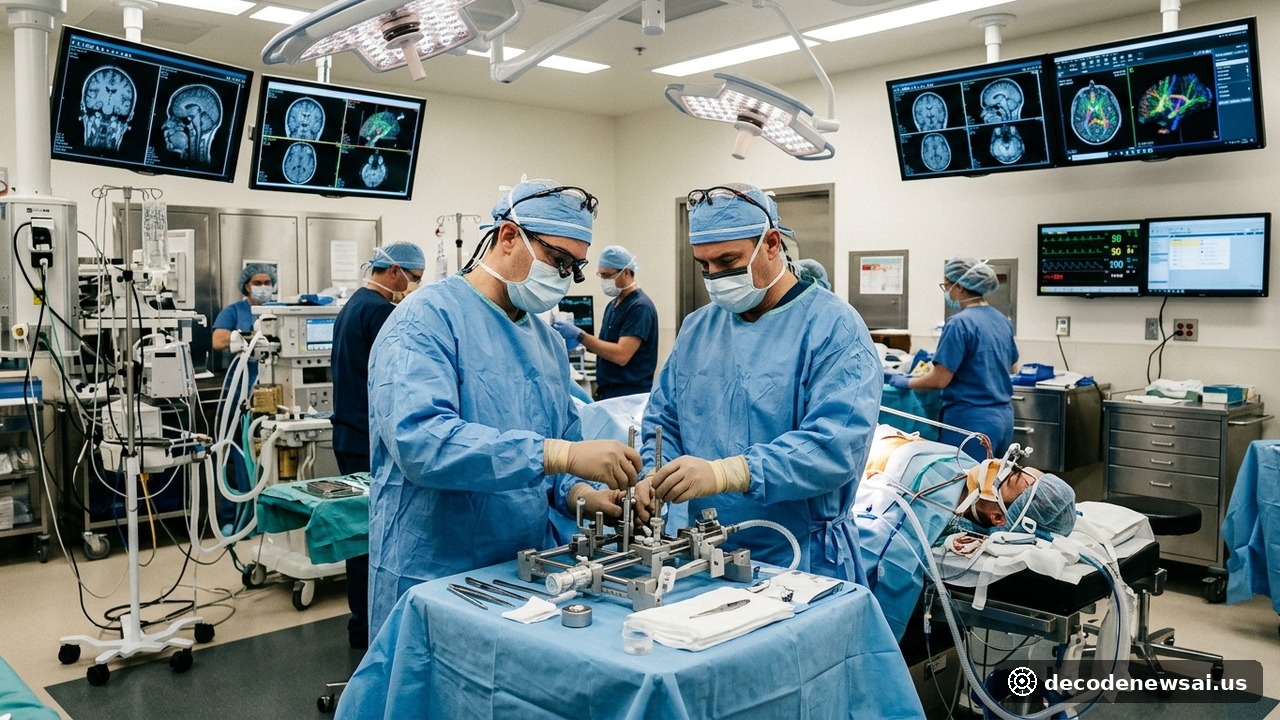
According to the FDA Center for Biologics Evaluation and Research (CBER), AADC deficiency is an ultra-rare autosomal recessive metabolic disorder caused by mutations in the DDC gene. Deficient AADC enzyme synthesis arrests the physiological synthesis of dopamine and serotonin across the central nervous system. Infants afflicted with the condition suffer profound developmental delays, systemic muscular hypotonia, painful oculogyric crises, and autonomic dysfunction. Kebilidi utilizes a recombinant adeno-associated virus serotype 2 (AAV2) vector carrying human DDC cDNA. During a single neurosurgical procedure, a pediatric neurosurgeon administers four stereotactic micro-infusions directly into the bilateral putamen. Long-term clinical follow-up data from clinical trials demonstrated that treated pediatric cohorts experienced complete cessation of debilitating oculogyric crises within twelve months of stereotactic infusion, and most participants acquired motor developmental milestones that were otherwise impossible under baseline disease trajectories.
Upon granting accelerated approval, the FDA awarded PTC Therapeutics a rare pediatric disease priority review voucher (PRV). The statutory incentive enables the commercial developer to receive expedited six-month review on a subsequent human drug application, or transfer the voucher across secondary financial markets. To ensure procedural precision during intracranial stereotactic administration, the FDA mandated a comprehensive Risk Evaluation and Mitigation Strategy (REMS). Initial certified treatment centers include Children's Hospital of Philadelphia, Boston Children's Hospital, and Lucile Packard Children's Hospital Stanford. Multidisciplinary surgical teams completed specialized training on micro-cannula infusion hardware and real-time MRI surgical navigation platforms.