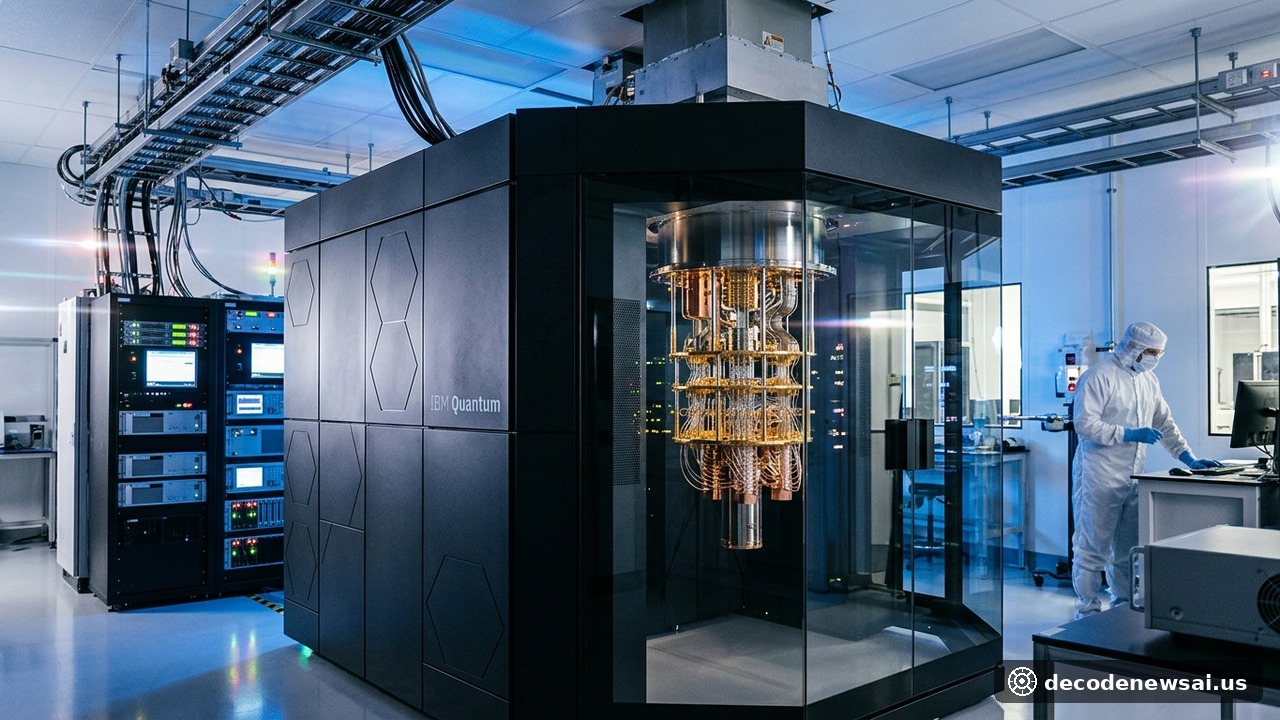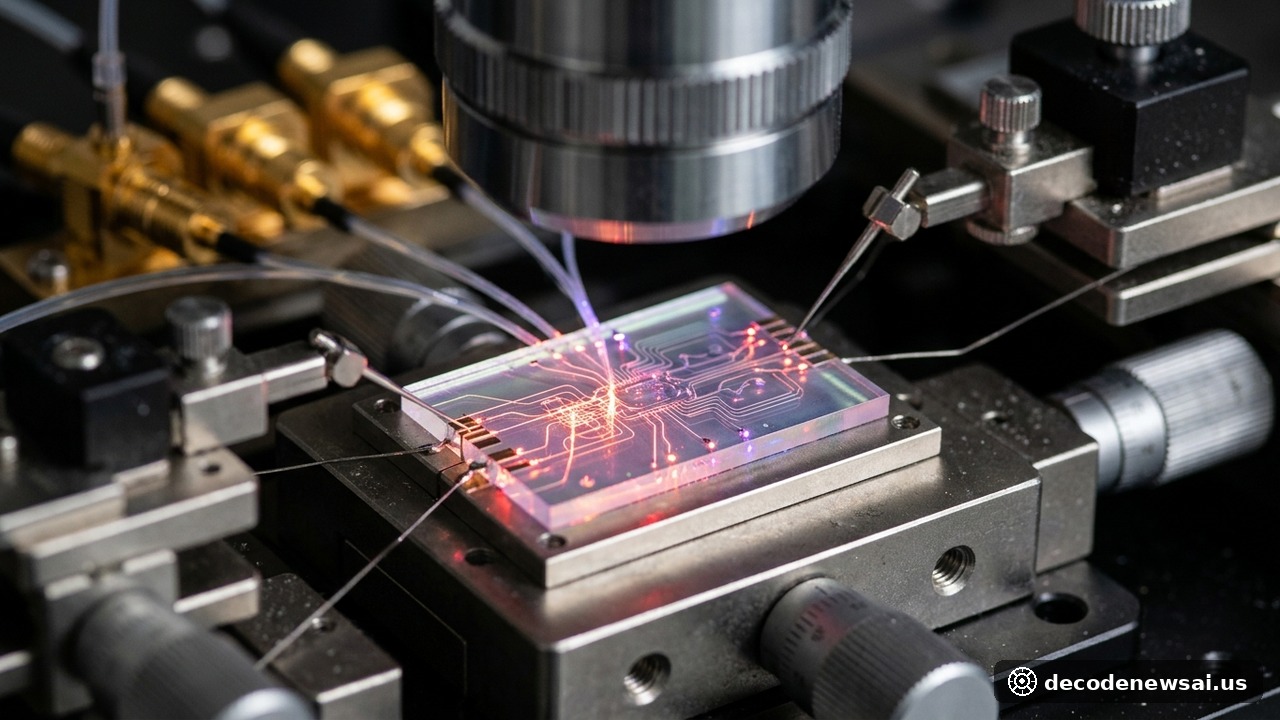
IBM announced its next-generation IBM Quantum Nighthawk r3 processor on Wednesday, demonstrating significant advancements in operational speed and quantum gate fidelity. Quantum physics engineering achieved critical milestones. Unveiled at the company's research headquarters in Yorktown Heights, New York, the architecture establishes a verified scaling path beyond 1,000 qubits in 2027. The cutting-edge processor features optimized superconducting circuit topologies designed to suppress thermal phase noise and accelerate algorithm execution.
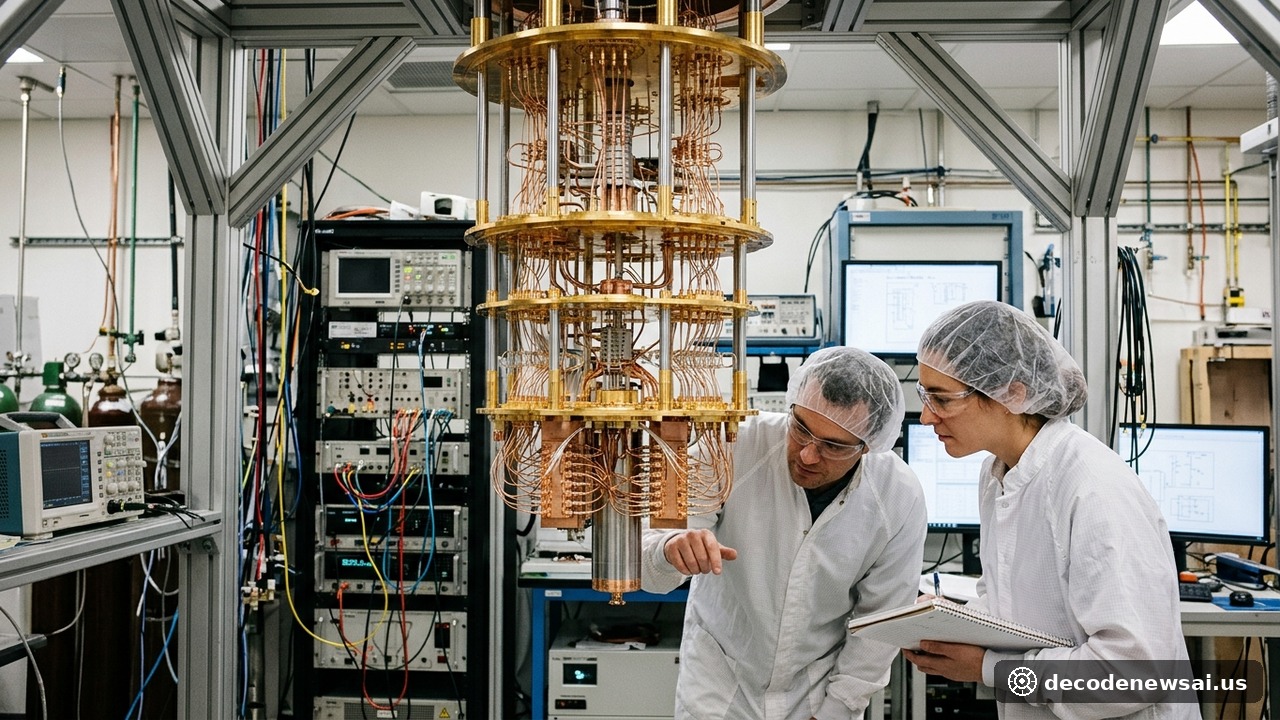
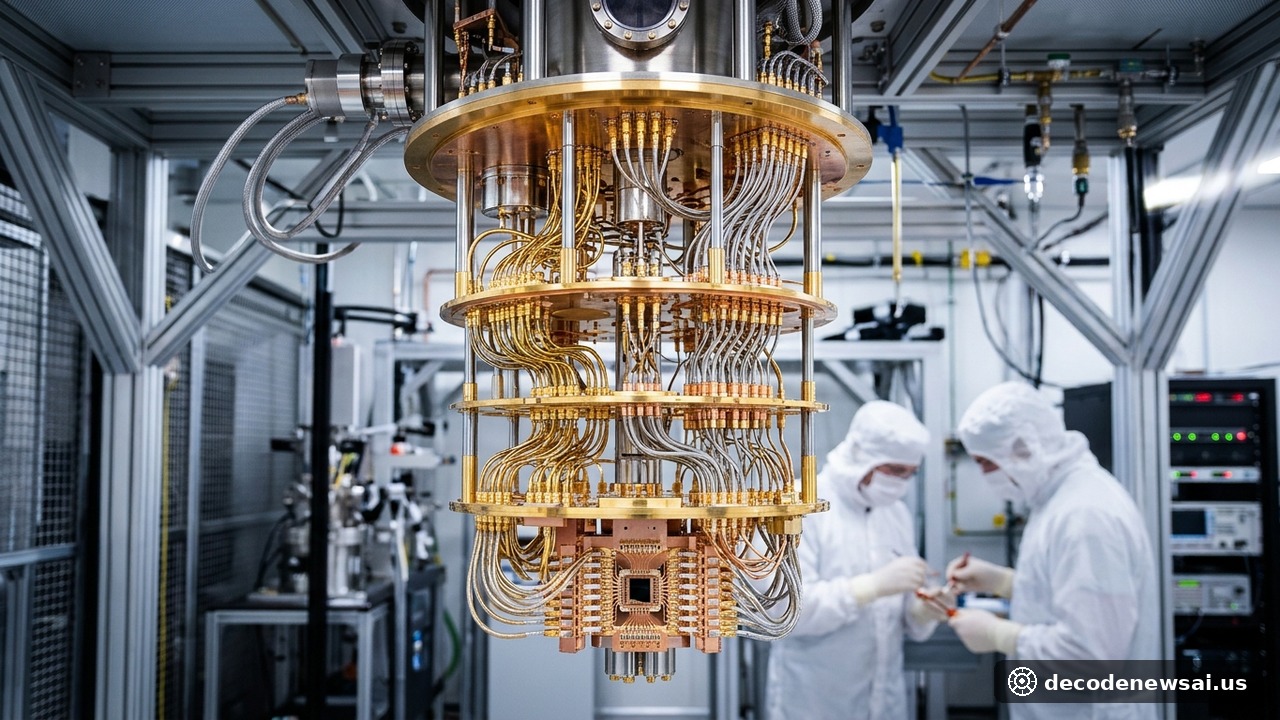
Quantum research fellows presented comprehensive benchmarking metrics during a technical symposium attended by academic physicists. IBM quantum leadership stated that the Nighthawk r3 establishes decisive operational benchmarks, combining higher gate fidelities with revolutionary real time error mitigation protocols. The hardware architecture utilizes high density coaxial cabling systems that substantially reduce thermal parasitic loads within cryogenic dilution refrigeration chambers. Calculated two qubit gate error rates decreased notably, allowing researchers to run deeper logical circuits without premature decoherence.
Collaborating research universities praised the practical implementation of real time quantum error suppression protocols. An MIT research fellow noted that achieving fault tolerant scaling thresholds within complex multi layer arrays brings utility scale molecular simulation within practical reach. The architecture enables continuous active feedback loops operating in microsecond intervals to correct stray phase anomalies during runtime. The commercial cloud access to Nighthawk r3 clusters will open to select academic institutions and industrial partners early next year.
Global computing consortiums and condensed matter physicists welcomed the published engineering data as a major leap toward fault tolerant computing. IBM's disciplined execution against its multi year quantum roadmap continues setting definitive benchmarks for the broader scientific community. Academic enthusiasm remains exceptionally robust. Quantum information science unlocked transformative computational frontiers.