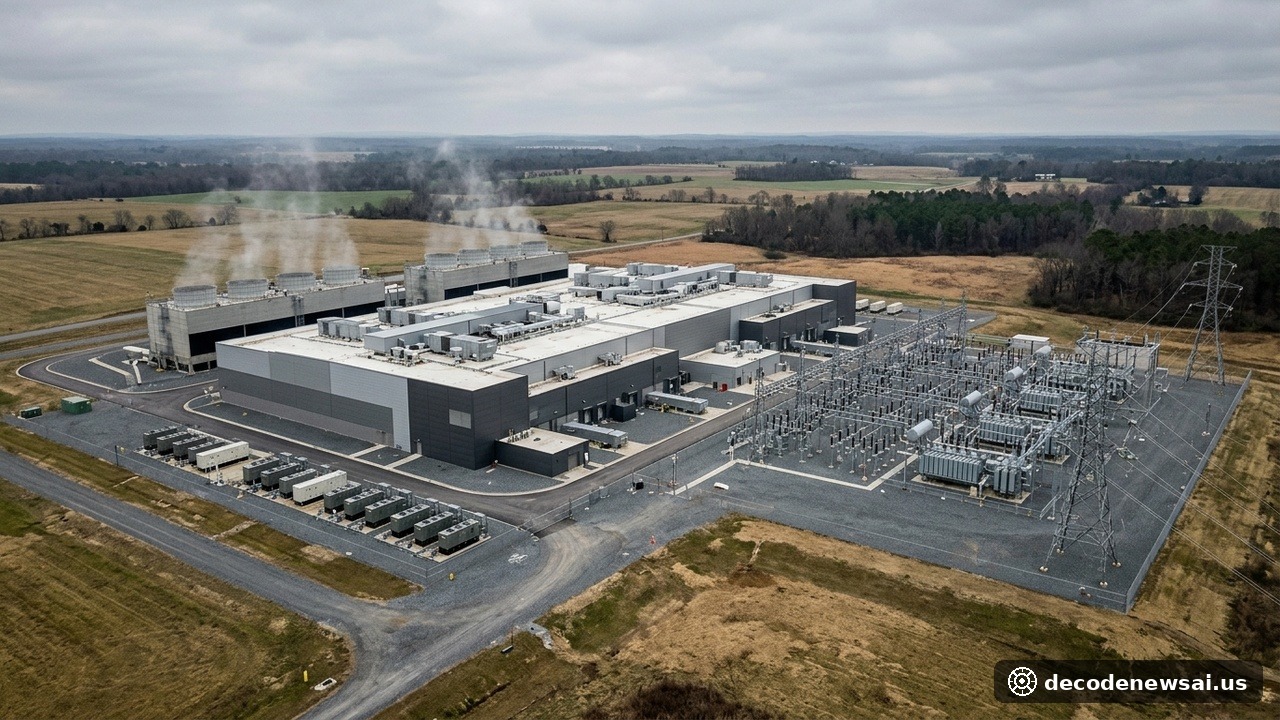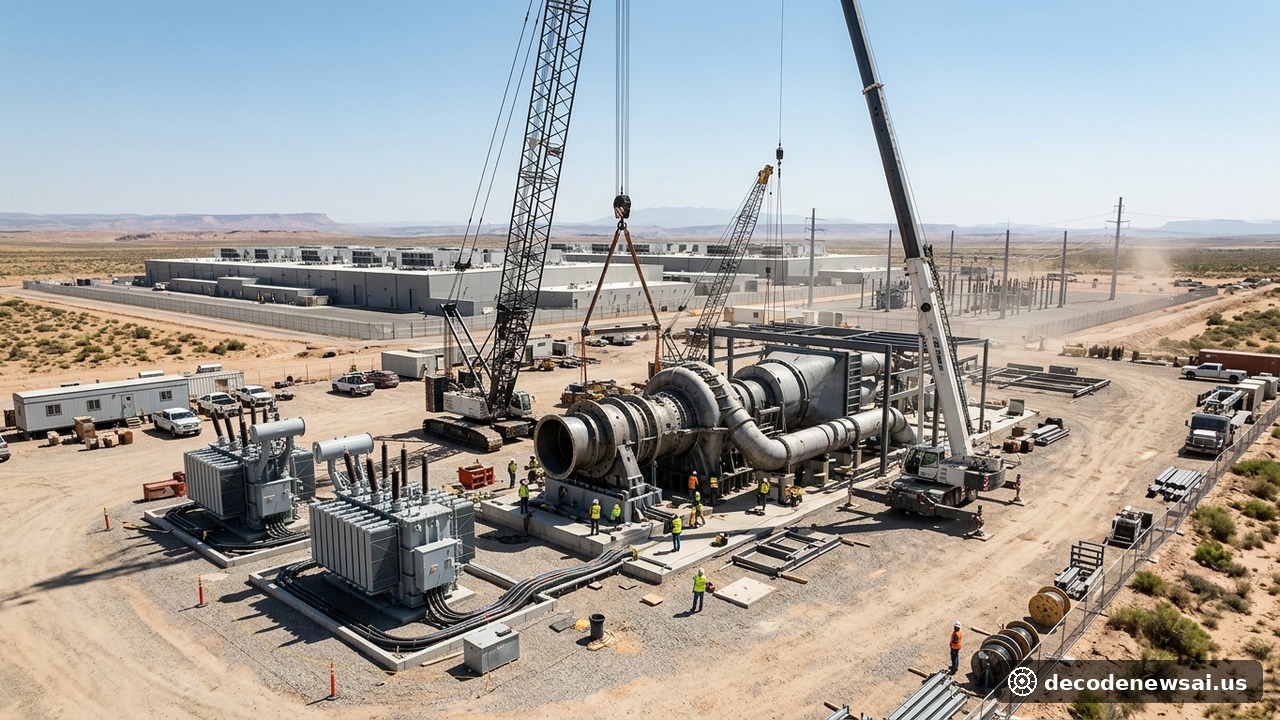
BloombergNEF released a landmark research report on Wednesday in New York, examining the surging power requirements of artificial intelligence computing infrastructure. Clean energy goals face mounting challenges. The analysis warned that proposed on-site gas-fired power plants built for US data centers could emit up to 345 million metric tons of carbon dioxide equivalent annually. Rapidly escalating electricity demand is driving developers toward localized fossil fuel generation.
The report, titled Powering the Data Center Boom, identified severe electrical grid connection backlogs across the United States and Europe as the primary bottleneck. "The extraordinary economics around AI are making speed to power one of the most important priorities for developers," said Mark Daly, head of data centers at BloombergNEF. Protracted utility interconnection timelines incentivize companies to deploy off-grid natural gas turbines. Bypassing regulated public grids creates substantial long-term carbon lock-in risks.
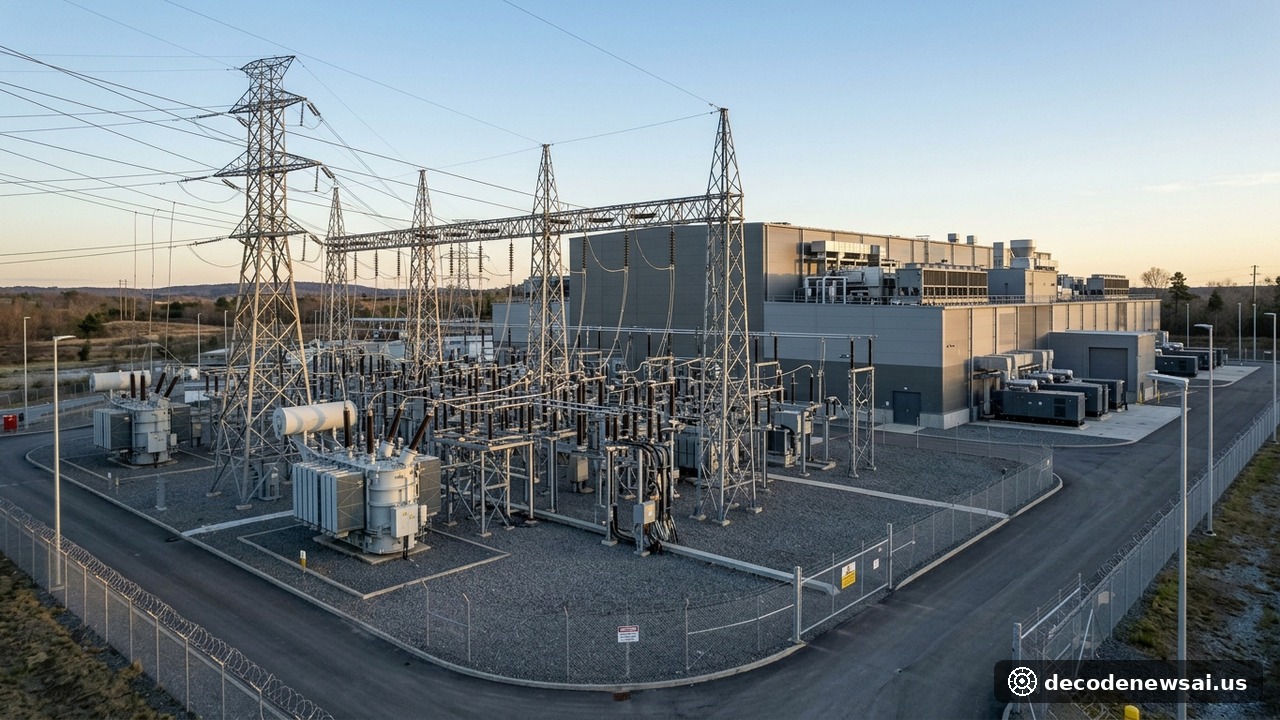
Researchers concluded that connecting new computing facilities directly to modernized utility grids offers the most environmentally sustainable expansion path. "Ensuring new data centers are grid-connected is the more sustainable option to limit near-term emissions," the report emphasized. Accelerating transmission line approvals and substation upgrades would enable cleaner generation sources to meet computational loads. Coordinated regional utility planning is essential to reconcile computing growth with climate mandates.
Policymakers across major technology hubs are debating legislative proposals to ensure data center operators contribute fairly to local grid infrastructure upgrades. Industry leaders are exploring co-located nuclear reactors and long-duration battery storage to replace fossil backup generation. The balance between computational supremacy and environmental sustainability will define tech regulation. BloombergNEF's comprehensive study provides critical empirical benchmarks for future regulatory and utility planning.