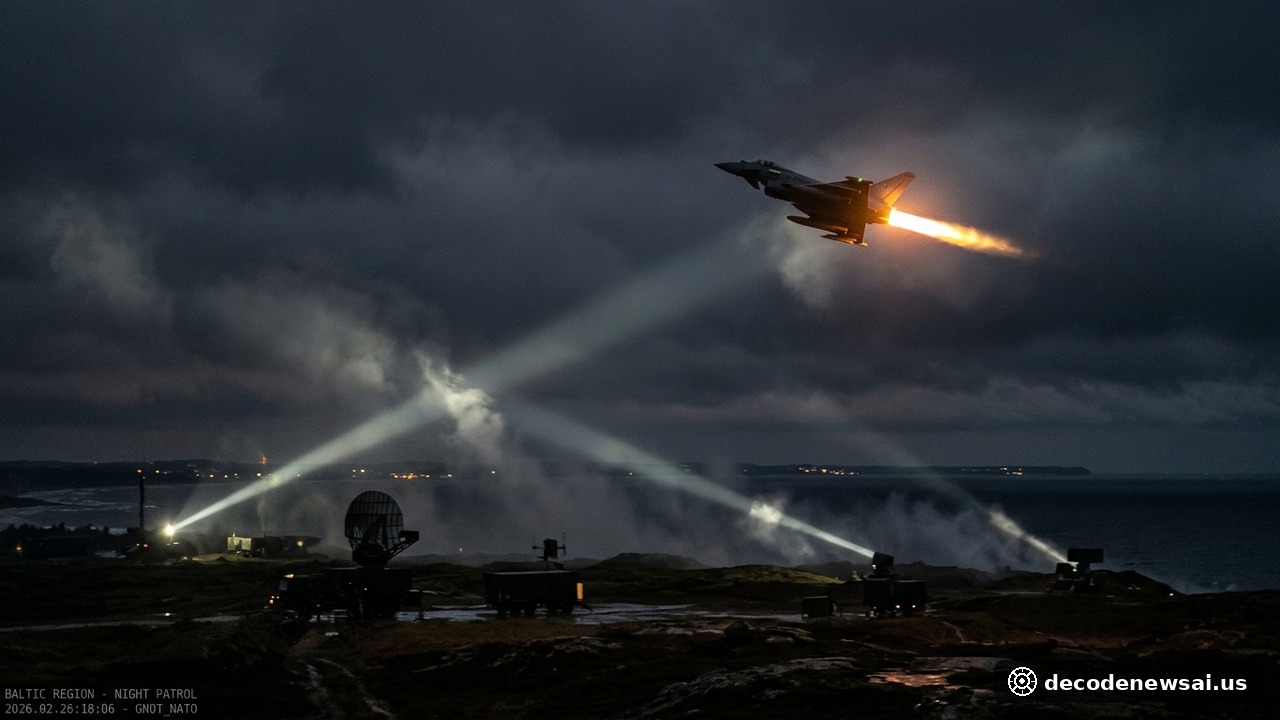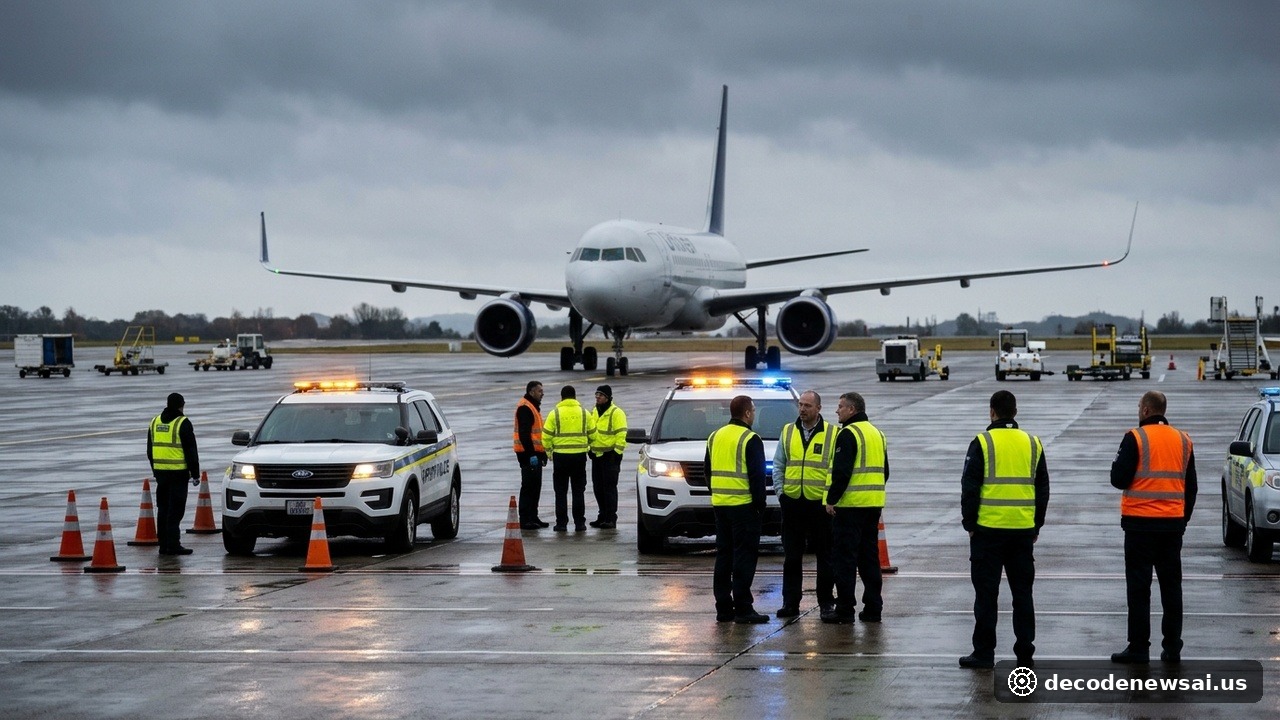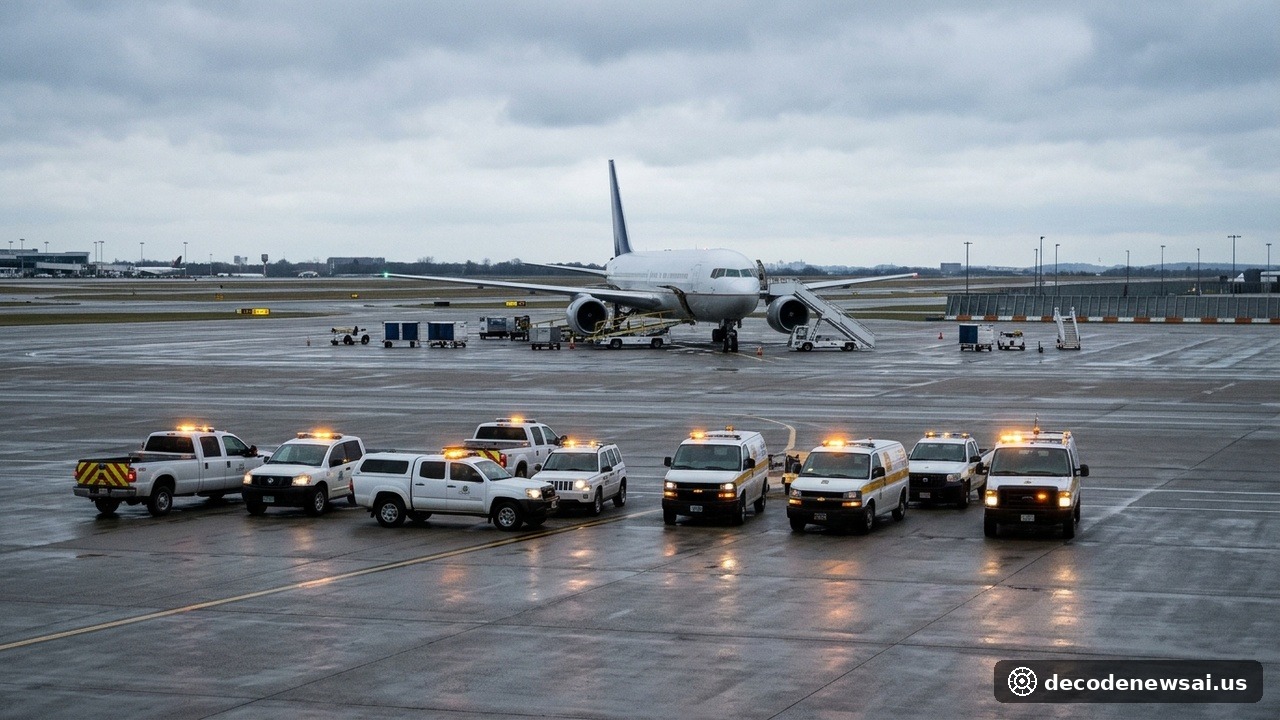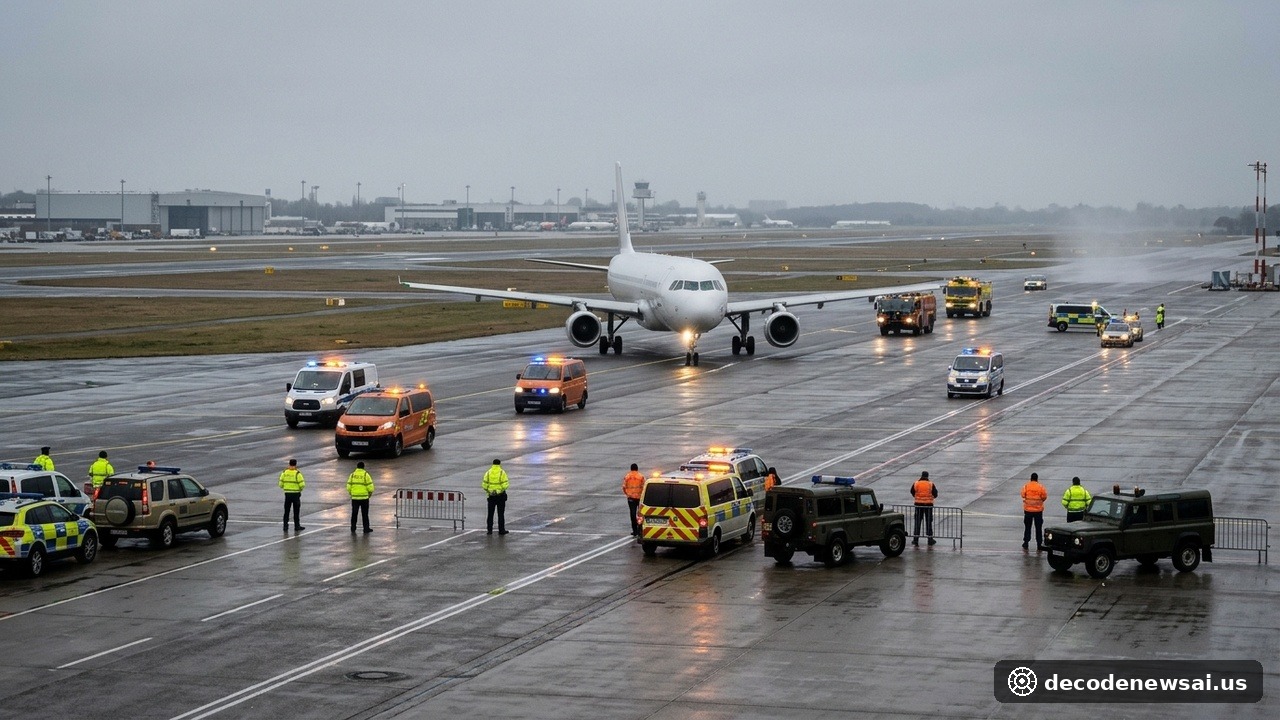
On November 5, 2026, leading international news agencies including The Guardian, CBS News, The Washington Post, and CTV News reported that European civil aviation confronted an unprecedented wave of coordinated bomb hoaxes that severely compromised commercial flight operations across multiple nations. Over a four-day escalation, more than 30 commercial passenger flights operated by major international and regional airlines were targeted by malicious explosive threats. On Thursday, November 5 alone, at least 20 commercial flights reported emergency security alerts, forcing air defense commands across Italy, France, Bulgaria, and Croatia to scramble quick reaction alert fighter jets to intercept and escort airliners to emergency diversions, reigniting acute transatlantic concerns regarding hybrid warfare tactics targeting civilian infrastructure. The synchronized nature of the disruptions created cascading flight cancellations throughout regional air traffic sectors.
Intercepting Airliners Mid-Flight and Diverting International Passengers to Military Airbases
Extremist Threat Claims Emerge as Intelligence Services Scrutinize Coordinated Hybrid Warfare
Preliminary investigative disclosures from airport security directorates in Sofia and Rome indicated that electronic communications received by ground handlers bore the digital signature of an extremist entity identifying itself as the "fighters of the Male State." Nevertheless, European intelligence officials and aviation security analysts expressed deep skepticism regarding spontaneous extremist origins. Cyber forensic units noted that the emails utilized sophisticated proxy relays and bulletproof hosting providers to conceal true origin server addresses.
British Transport Secretary Heidi Alexander publicly condemned the coordinated disruption as "malicious hoax threats," warning that weaponizing aviation protocols imposes severe operational burdens on civilian air traffic controllers and national defense assets. In Brussels, European Union Transport Commissioner Apostolos Tzitzikostas convened emergency briefings with the European Union Aviation Safety Agency (EASA), emphasizing that multinational criminal investigations remain ongoing. Tzitzikostas noted that while European transport authorities cannot rule out sophisticated cyber facilitation, establishing definitive forensic attribution requires painstaking multilateral intelligence collaboration among allied security agencies across European capitals.
Asymmetric Low-Cost Harassment Imposes Heavy Costs on Western Aviation Infrastructure
Security strategists and defense analysts underscored that the cascading disruption targeting over 30 flights exposes an alarming vulnerability within modern aviation protocols. Dispatching encrypted electronic hoax communications entails virtually zero economic or logistical friction for malicious perpetrators. However, under mandatory International Civil Aviation Organization safety doctrines, air navigation service providers and military commands are legally obligated to treat every unverified security alert as an imminent existential peril until forensic disproval is established, compelling sovereign states to deploy multi-million-dollar fighter sorties and divert high-density commercial airliners. Defense economists pointed out that the operational fuel burn and radar mobilization costs incurred across NATO members exceeded millions of euros within days.
With low-cost carrier Ryanair bearing the brunt of at least seven distinct hoax alerts throughout the week, airline executive coalitions and airport operator bodies have demanded that European authorities modernize security screening architectures. Industry leaders urged the European Commission to deploy machine-learning threat verification engines capable of assessing the digital provenance and credibility of automated hoax transmissions in real time. Establishing unified protocols that protect passenger safety without allowing malicious actors to exploit emergency mechanisms remains the paramount challenge confronting European aviation governance as asymmetric hybrid harassment continues to proliferate across digital and physical domains, threatening the seamless connectivity of the European single aviation market.