Musk's Next Conquest: SpaceX Wants to Become America's Fourth Carrier
The Washington Post scoop: buy Boost or borrow its network
The plan: a hybrid network to take on the Big Three
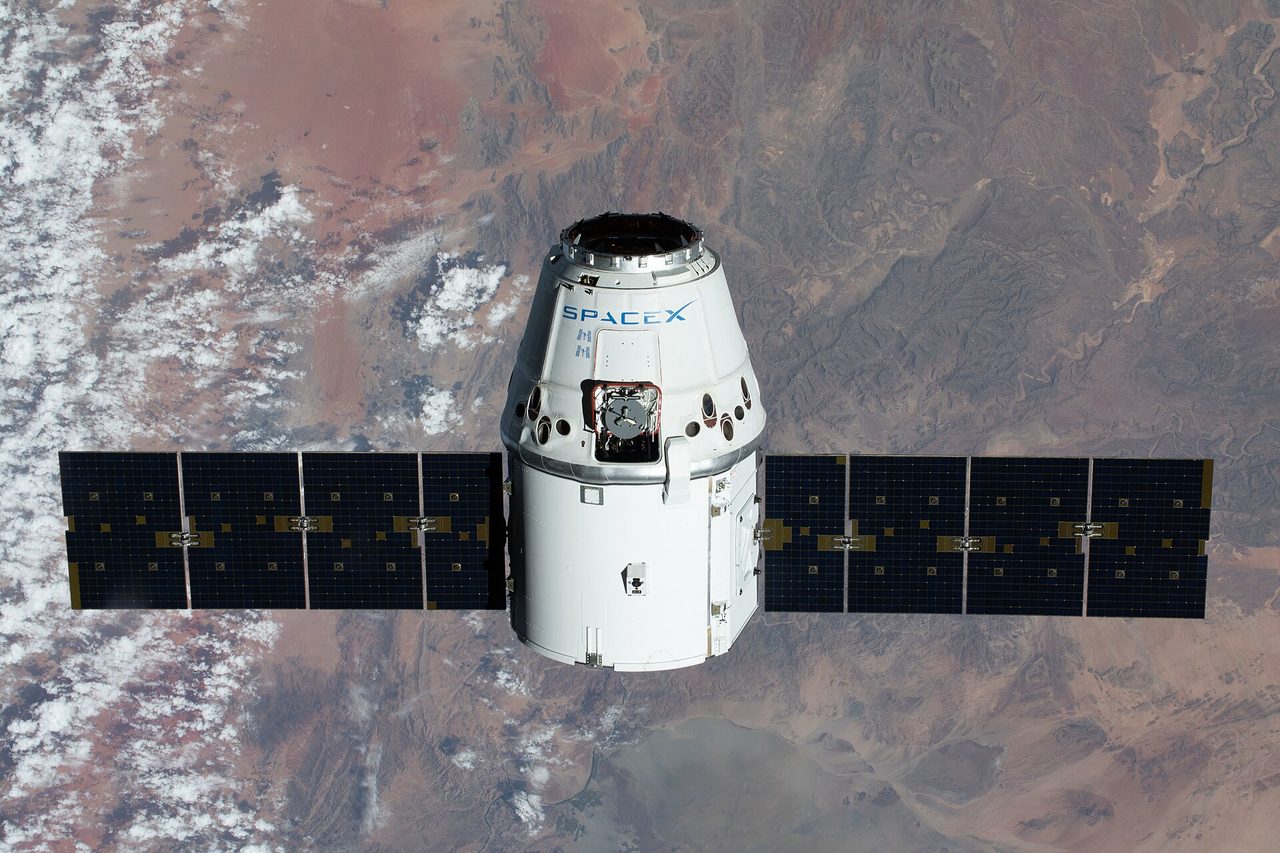
The goal is a hybrid satellite-and-ground mobile network under the Starlink Mobile banner that would challenge AT&T, Verizon and T-Mobile head-on. Satellites would supply blanket coverage while terrestrial infrastructure adds capacity in cities and suburbs. Musk has called newly acquired spectrum the last critical piece of the puzzle, saying it will pave the way for Starlink Mobile to become a major US mobile carrier, with commercial service targeted for early 2028.
The catch: Boost's leases need rivals' blessing
There is a snag. Boost Mobile is a mobile virtual network operator: it is building its own 5G core but still carries most traffic on networks leased from AT&T and T-Mobile. Those leasing deals typically cannot change hands without the host carriers' consent. SpaceX may therefore need permission from the very giants it intends to disrupt, which complicates any deal built on Boost's existing agreements.
Billions for airwaves: the spectrum shopping spree
SpaceX has been stockpiling spectrum for a year. It agreed to acquire wireless licenses from EchoStar in a deal valued at roughly 17 billion dollars, followed by a 2.6-billion-dollar follow-on transaction, and then a nationwide 800 MHz low-band portfolio from Grain Management. Low-band spectrum travels far and penetrates buildings, making it ideal for mobile coverage. Regulators have also approved 15,000 upgraded V2 Starlink Mobile satellites for deployment, though the Grain spectrum purchase still needs Federal Communications Commission clearance.
Earnings muscle: connectivity prints money
Incumbents bleed first: historic selloffs
Investors have already voted with their feet. After the spectrum deal, T-Mobile fell 13.27 percent in a single day, its worst showing since 2013; AT&T dropped 9.81 percent, its steepest one-day loss since 2000; Verizon shed 8.75 percent, a decline not seen since July 2002. The incumbents publicly downplay the threat: Verizon says spectrum without a network is just empty airwaves, and AT&T's chief executive has called Musk's strategy non-viable. Privately they are circling the wagons, forming a joint venture to pool spectrum and infrastructure for direct-to-device satellite service.
What comes next: approvals and 80,000 towers
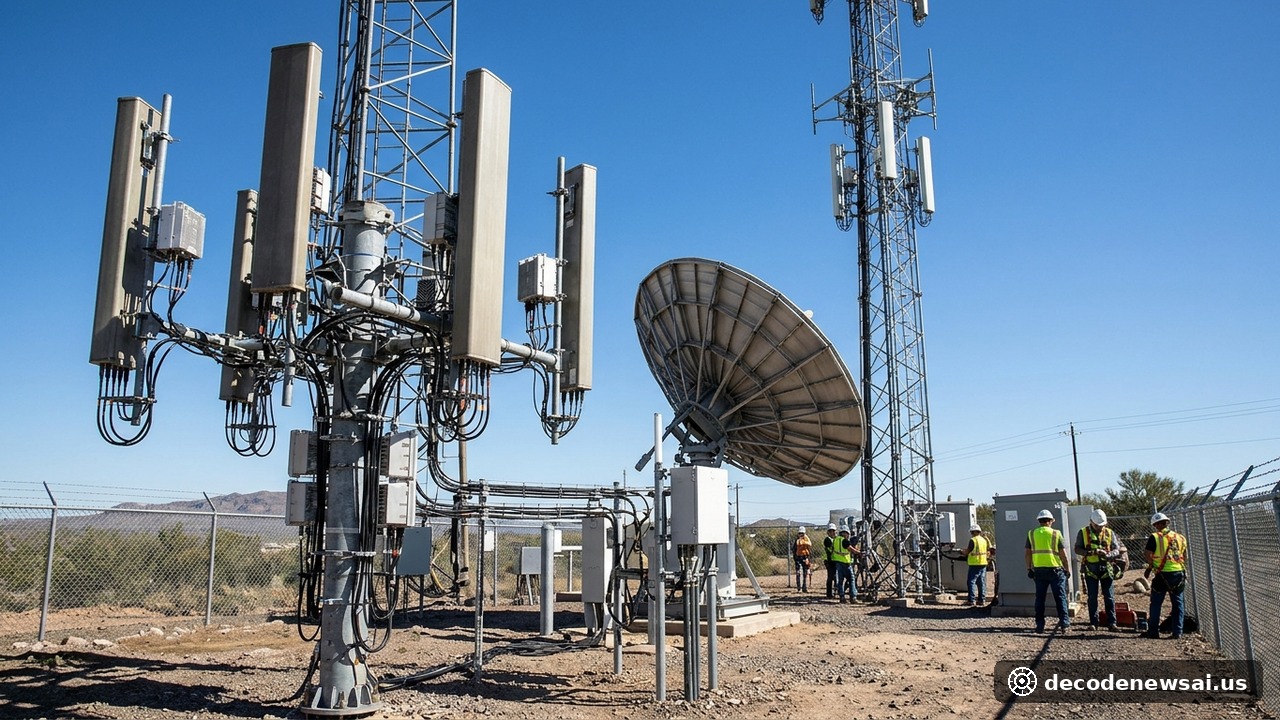
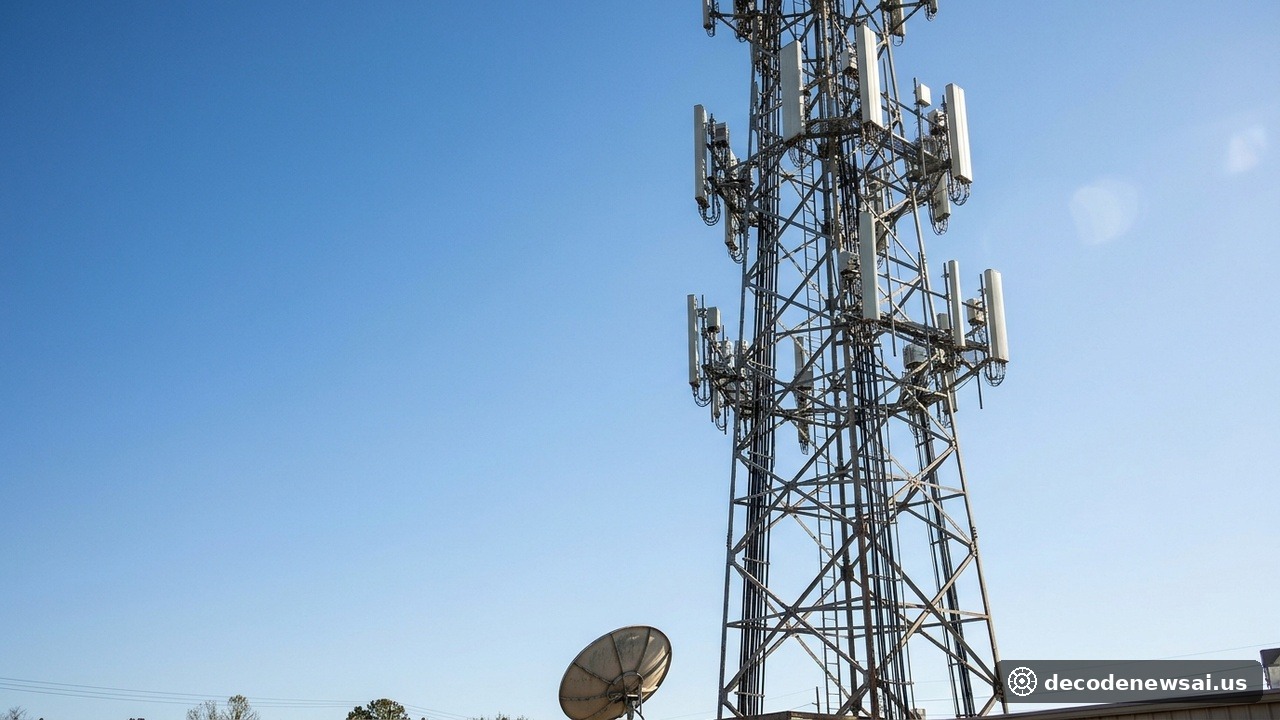
Success hinges on three things: the outcome of the Boost talks, FCC approval of the spectrum buys, and the ground network. SpaceX is reportedly pursuing access to at least 80,000 cell sites across the United States and has held exploratory talks with tower operator Crown Castle. Verizon's chief executive has ruled out partnering with satellite companies as a mobile virtual network operator, while T-Mobile's chief executive has refused to let Starlink Mobile run on its network. If SpaceX threads all three needles, a wireless market worth about 235 billion dollars gets its fourth national carrier, built from orbit down.
Musk's telecom playbook mirrors his rocket and car campaigns: get rejected as a partner, then return as a rival. This time the incumbents are the three most profitable phone companies in American history.