Omar's Mall Reappearance Puts Somali Assimilation Back in the Spotlight
A Carefully Staged Return After the Raid
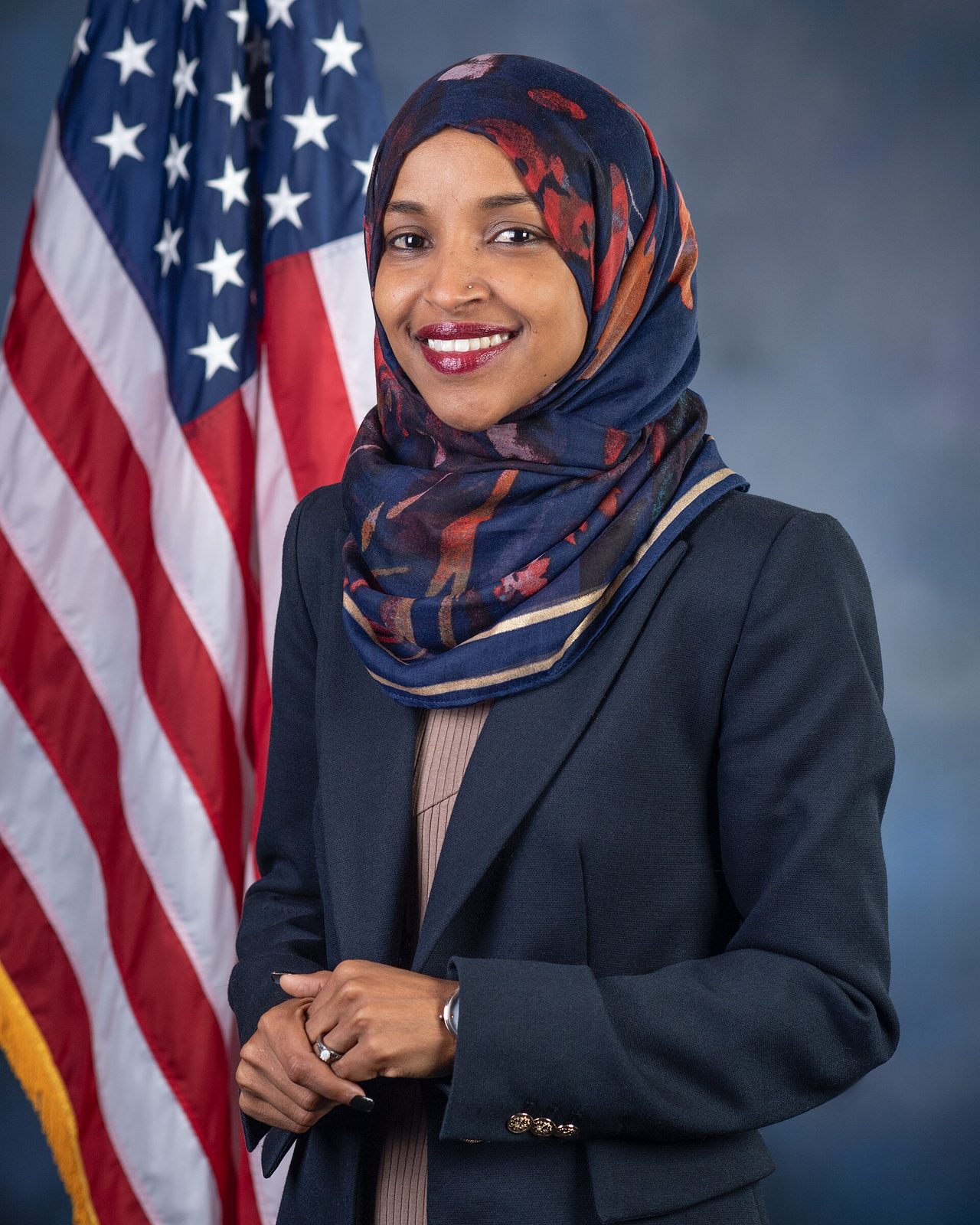
Rep. Ilhan Omar made her first public appearance since the search of her Washington home at the Karmel Mall of Somalia in Minneapolis. She arrived with Minnesota Attorney General Keith Ellison after the two cast early ballots, toured the mall with its owner Basim Sabri, and ate lunch there with friends and supporters. "We're here today at Karmel Mall with brother Basim, to kind of browse through this amazing community, corridor that is full of amazing women," she told Fox News Digital.
The Mall Owner Calls It an Immigrant Incubator
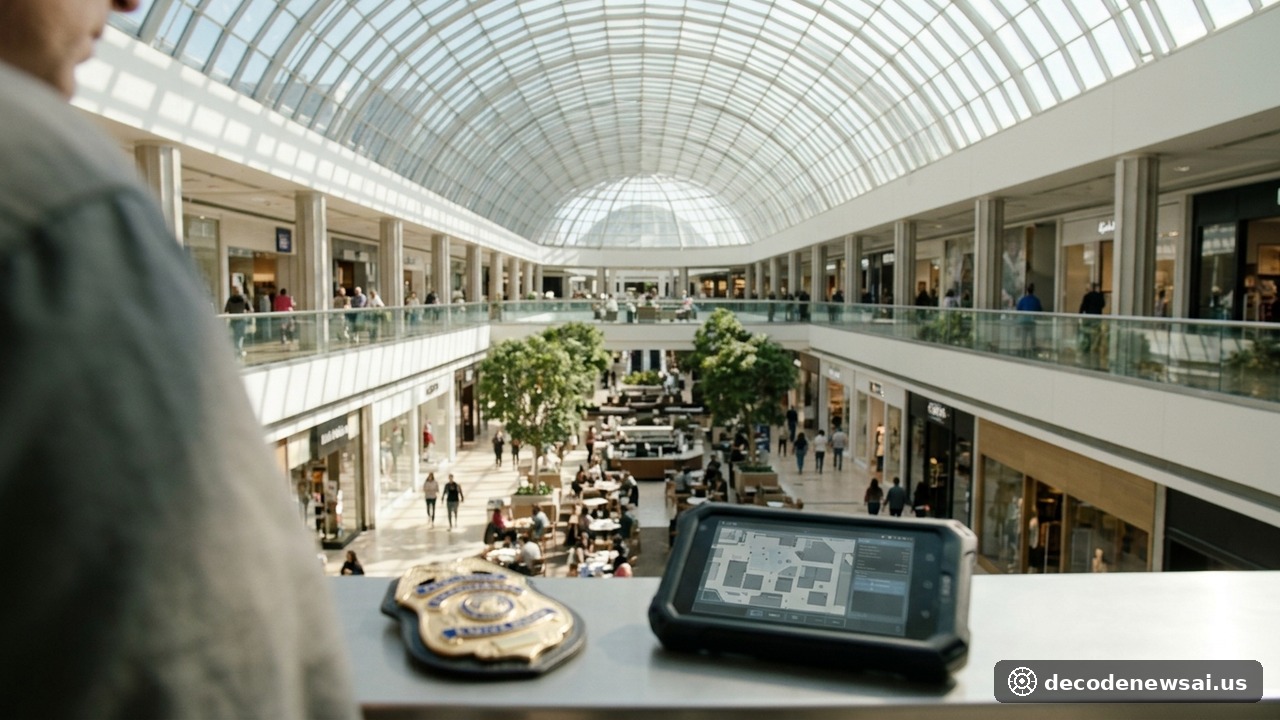
Sabri describes the Karmel Mall as the largest Somali mall in the world and the largest mall in the city of Minneapolis, with the surrounding blocks known to many as the Islamic Peace Village. He gave conflicting store counts of 900 and 750. He calls the mall an incubator where small businesses start before growing into bigger spaces, and presents it as proof of immigrant success and the American dream.
English as a Second Language Inside
Reporters who toured the building found English functioning as a second language for most people inside. Shops sell prepaid international SIM cards, foreign money transfers and travel bookings to East Africa and the Middle East, alongside gold, fragrances, traditional Somali clothing, barbershops, cafes, Somali food stalls and henna services. Critics read that self-contained economy as failed assimilation. Sabri insists the mall is where Somalis learn to integrate.
Three Flags at Equal Height Draw Scrutiny
The dining area displays the Somali, Palestinian and American flags at equal height under a light-blue ceiling with a white star echoing the Somali banner. Supporters call it multicultural expression. Critics say the staging, days after a federal search of a sitting congresswoman's home, sends a political message that undercuts the integration claim.
A Gaza-Born Landlord With a Bribery Record
Sabri came to the United States to study in Minneapolis, built a real estate business that includes the mall and nearby apartment buildings housing Somalis, and cultivated ties across local and state politics. He is friends with Omar and knew her father. In 2005 he received a 33-month federal prison sentence for bribing a Minneapolis public official, including a brief stay at the Federal Correctional Institution in Leavenworth, Kansas.
What Investigators Say About the Search
The Justice Department told NPR that Homeland Security Investigations executed a judicially authorized search warrant as part of an ongoing federal criminal investigation. NBC News, citing people familiar with the probe, described a multiyear investigation touching on immigration fraud, built on whistleblowers, documents and witness testimony. Omar's attorneys, Amy Jeffress and Joshua Matz, wrote to prosecutors disputing the search and demanding seized property back; a department spokesperson called the letter riddled with false allegations.
Seized Phones, Notebooks and an Age Dispute
Early Ballot, New Address and a Reelection Fight
Omar cast an early ballot in her own reelection race, deflected most reporter questions at the polling station, and told journalists to remind everyone to vote. She later said she will leave her Washington residence because its address became public and she faces death threats. With Election Day near, the mall visit doubles as reassurance to her base and a bid to frame the investigation as political intimidation.
Courts and Voters Decide What Comes Next
The legal track turns on whether prosecutors bring charges and how courts rule on the seized materials. The political track turns on Minneapolis voters. Either way, a neighborhood shopping complex has become a national symbol in the fight over what assimilation is supposed to look like.