A Methane Clue Makes 3I/ATLAS the Strangest Visitor Yet
Methane deuterium triples water's extreme ratio
Water carries thirty times the heavy hydrogen
Bulk chemistry unlike any home comet
Delayed methane is a crust-shedding depth effect
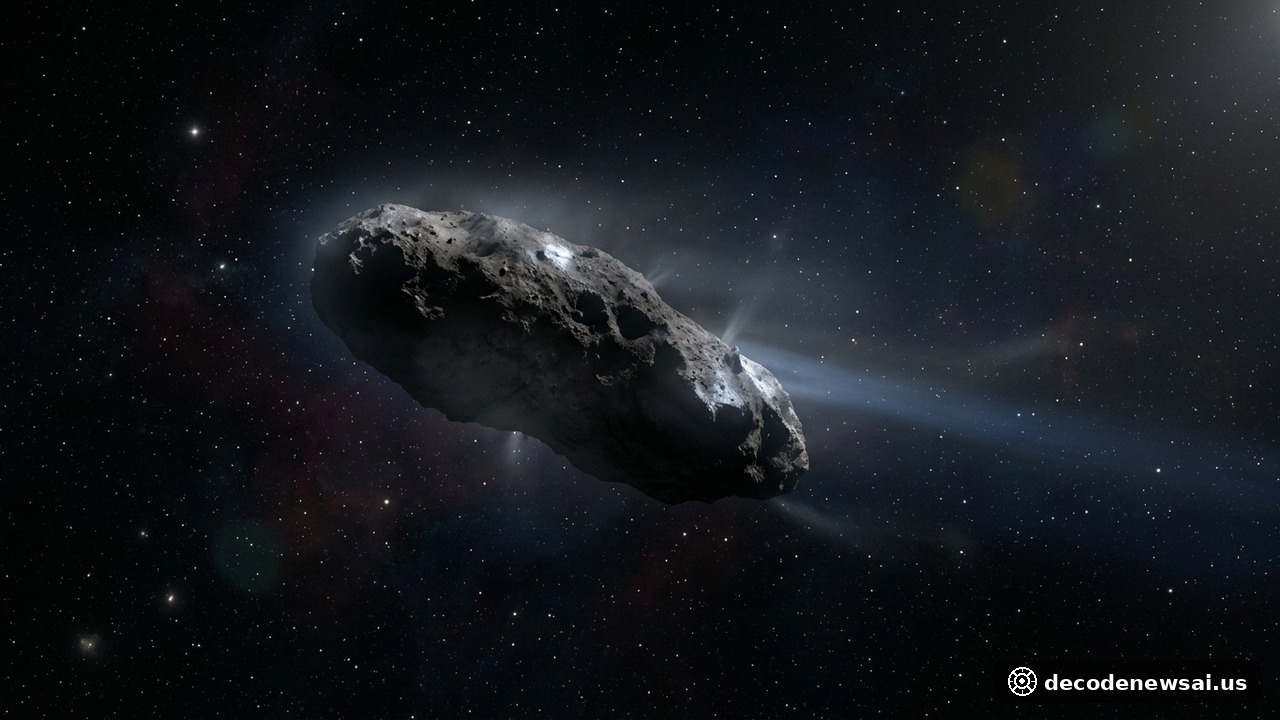
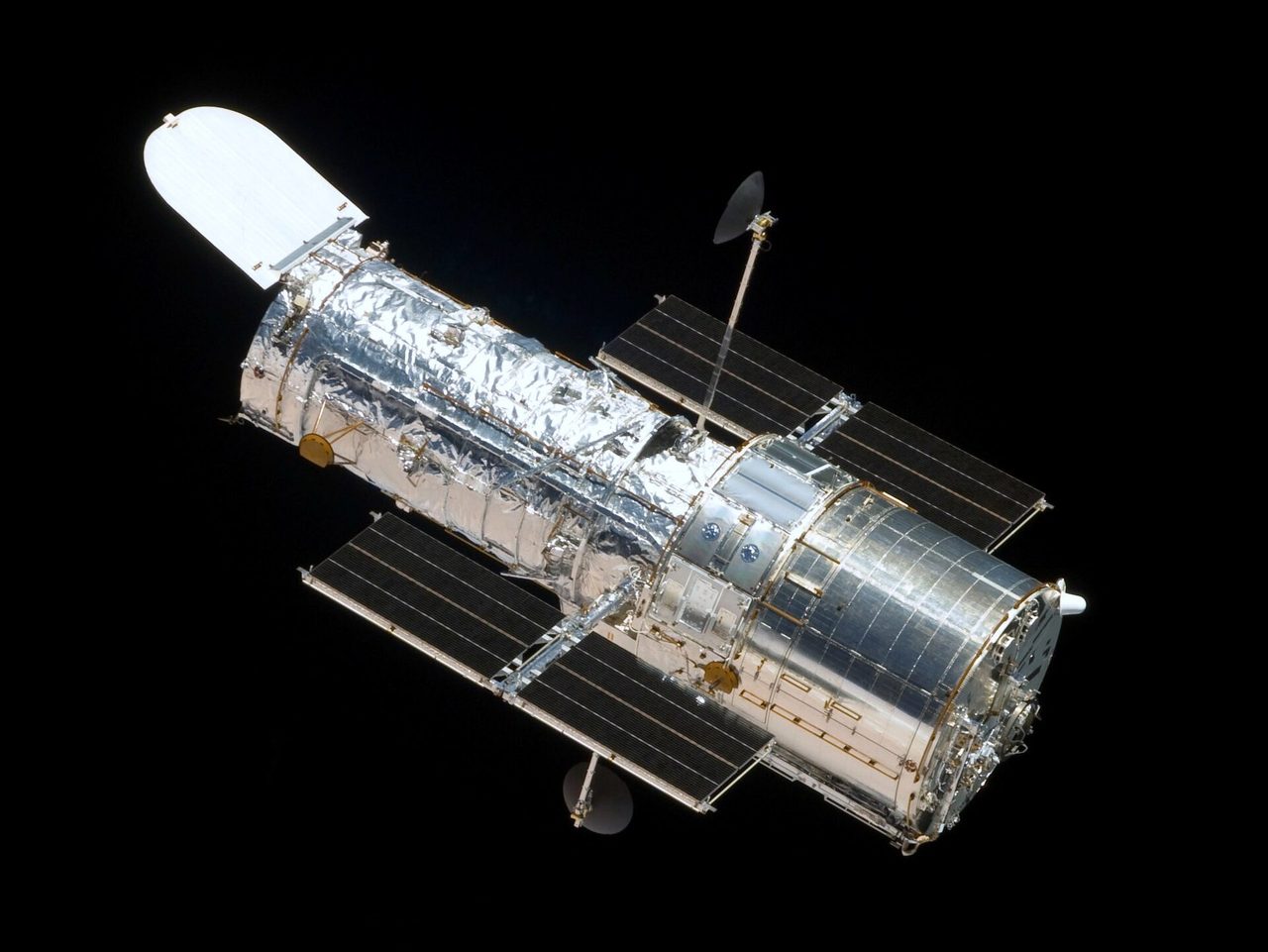
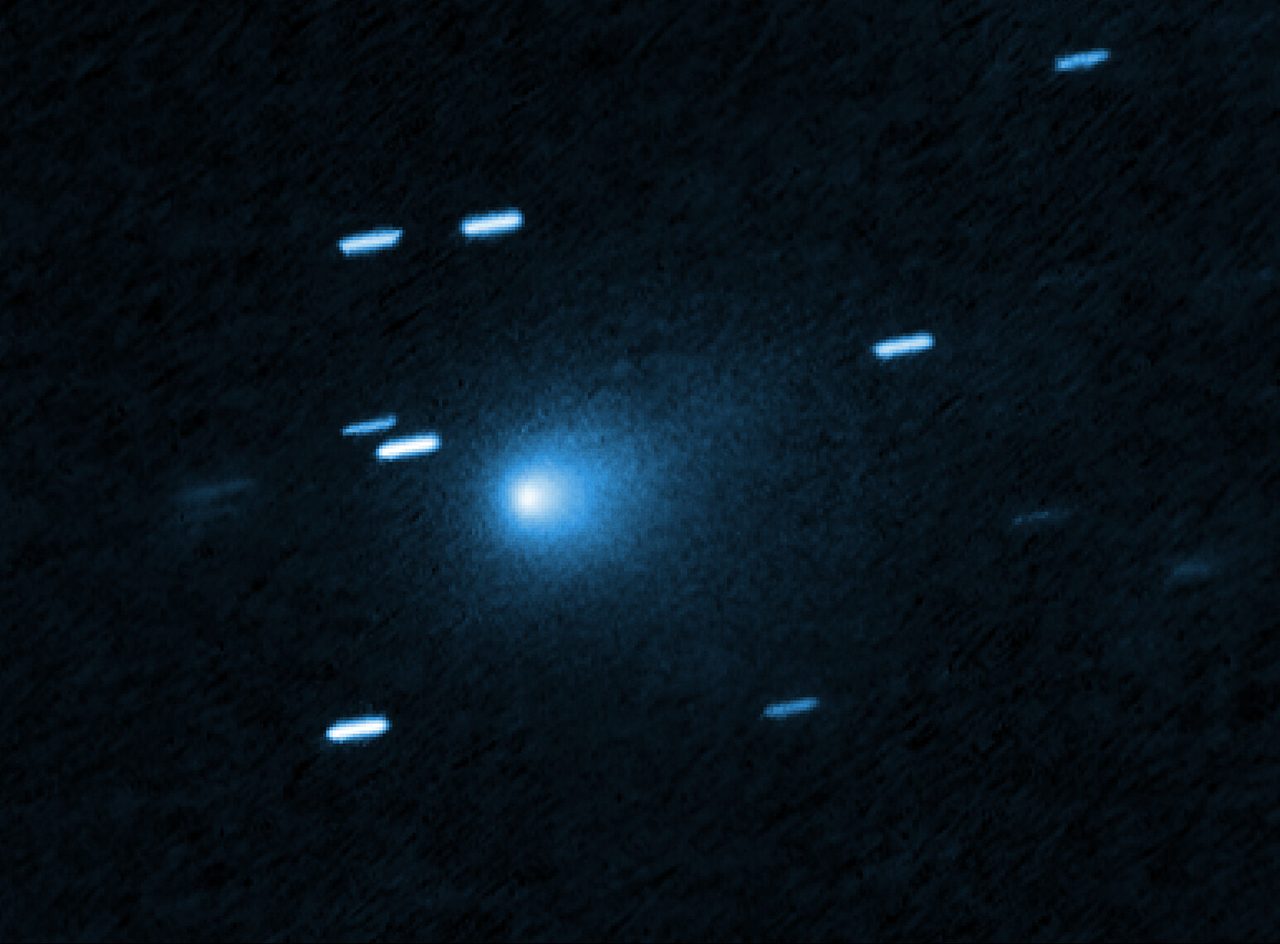
The delayed methane outburst is a depth effect. During approach, only the ancient irradiated crust was outgassing weakly. As the Sun warmed the comet on its way out in December, that crust shed and fresher interior ice began to sublimate, with large-aperture analyses putting water output near perihelion at 3 to 4 x 10^29 molecules per second. Webb epochs on 6 August 2025, 22 December 2025, and 1 April 2026 captured this transition, and September spectroscopy from the William Herschel Telescope on La Palma mapped ions along the tail in unprecedented detail, suggesting gas outflow at about half the speed of comparable solar-system comets.
Ice formed 10 to 12 billion years ago
The official interpretation is a time capsule. The team estimates formation 10 to 12 billion years ago, when the Milky Way was younger and chemically different, and notes travel of at least a billion years since. Its parent planetary system may be gone, its star unidentified, and an origin outside the Milky Way cannot be ruled out. Micron-sized dust-rich water-ice grains resemble ices on worlds beyond Neptune, hinting at a continuum of grain properties across protoplanetary disks.