Dueling Closing Arguments: Obama and Trump Sell Two Different Elections
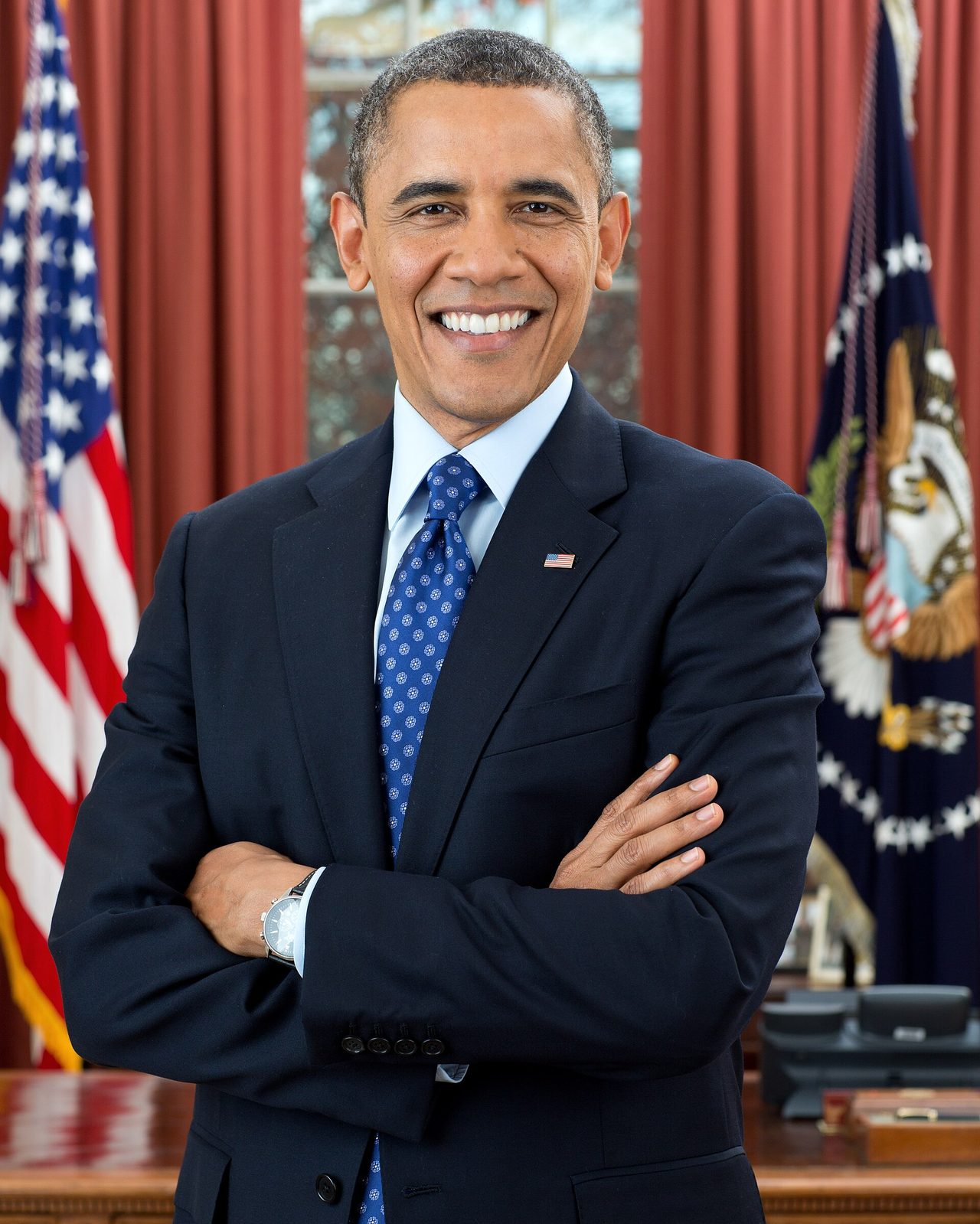
Photo: Official White House Photo by Pete Souza / Public domain · via Wikimedia Commons
Dueling Closing Arguments: Obama and Trump Sell Two Different Elections
A split-screen Saturday ten days out
October 24 delivered a rare split screen with voting on November 3 just days away. Former President Barack Obama headlined midterm rallies in Cleveland, Ohio, and Detroit, Michigan, while President Donald Trump staged an evening rally in Perry, Georgia. Control of Congress is at stake, and both men used the day to frame what the election is really about.
Obama opens in Ohio with a rebuke of a low-blow ad
Obama's first rally of the 2026 cycle, in Cleveland alongside Senate candidate Sherrod Brown and gubernatorial candidate Amy Acton, dwelled on standards in politics. He condemned an ad from Republican gubernatorial candidate Vivek Ramaswamy that featured Acton's estranged mother calling her a liar. There has to be something inside you, Obama said, that says no office is worth stooping that low.
Detroit stop rallies Democrats around El-Sayed
Hours later at Cass Technical High School in Detroit, Obama campaigned with Senate nominee Abdul El-Sayed and gubernatorial nominee Jocelyn Benson. He pushed back on Republican efforts to brand El-Sayed, whose platform calls for universal health care, as extreme. Wanting everybody to have health care and an affordable place to live, he asked, how is that radical? He acknowledged El-Sayed had criticized him in the past and joked that Michelle Obama does not agree with everything he does either.
The official lines: chaos and cruelty versus a stolen prosperity
Obama's verdict on the last two years was a drumbeat of chaos, cruelty, corruption and incompetence, enabled by what he called a spineless Congress. Voters, he said, get a chance to say enough is enough. Trump offered the mirror image: Democrats would deliver a dystopian economic future, Senator Jon Ossoff is a far-left extremist hostile to everything Georgia values, and supporters should vote as though Trump himself were on the ballot.
Obama ties prices to the Iran war and tariffs
The former president blamed an unnecessary war with Iran for much of the economic pain, saying allies and bases had been attacked, Americans killed, hundreds injured, the missile stockpile depleted, and Iran handed veto power over the Strait of Hormuz, through which oil reaches world markets. He linked rising diesel, gasoline and grocery prices to the war and to tariffs, arguing levies on neighbors such as Canada were costing autoworkers their livelihoods.
Trump answers with an Audi plant for Georgia
Trump's counter was a manufacturing announcement: Audi, the German luxury marque owned by Volkswagen, would commit $4.2 billion to a plant near Macon with annual capacity of 200,000 cars. Audi board chairman Gernot Doellner joined Trump on stage and called it a long-term bet on the American market, focused on the brand's biggest premium SUVs. An Audi release put the payoff at about 4,500 jobs, with construction starting in 2027 and production in the early 2030s. Trump credited his tariff policies for the decision and framed it as the biggest economic deal in Georgia history for Republican Senate candidate Mike Collins, who is challenging Ossoff, and gubernatorial candidate Rick Jackson.
A contrast in style as much as substance
The two pitches differed in delivery as well. Obama gave two tightly scripted speeches of roughly 40 minutes each. Trump spoke far longer in a single meandering evening address, exceeding Obama's combined stage time. Obama mocked Trump's White House renovations — a ballroom bigger than the White House, a paved-over Rose Garden, a helicopter pad on the South Lawn, gold everywhere — quipping that it looked like Saddam Hussein opened a Cheesecake Factory, proof, he said, that Trump is not focused on lowering prices.
Who it hits: battleground voters in three states
The targets were explicit: Brown and Acton in Ohio, El-Sayed and Benson in Michigan, Collins and Jackson in Georgia, the latter running against Ossoff and former Atlanta mayor Keisha Lance Bottoms. Trump won Georgia in 2024 after losing it in 2020, and Republicans are defending their House and Senate majorities against an electorate angry over costs and the Iran war. Immigration drew a split too: Obama said the border must be orderly and secure but accused Trump of going beyond his 2024 promises by sending masked agents through American streets.
What next: a rally race into the final week
The sprint is only accelerating. Obama is slated to headline in Georgia next week with Ossoff, while Trump heads to Port Huron, Michigan, a day after Obama's Detroit stop. The closing choice the dueling speeches offered voters is now set: a referendum on accountability, prices and war, or a bet on tariffs and factory groundbreakings.
Sources
- CNN: Obama and Trump wage one last battle for even more urgent stakes
- Associated Press: Trump says Audi will build a new factory in Georgia
- Politico: Obama slams Ramaswamy and Trump in his first rally of the midterms
- The Guardian: Barack Obama rallies Michigan crowd for El-Sayed, saying he's 'fighting for real change'
- Michigan Public: Obama hypes up El-Sayed, Benson in Detroit