Riyadh Airport Reopens Under Fire as Houthis Vow More Strikes
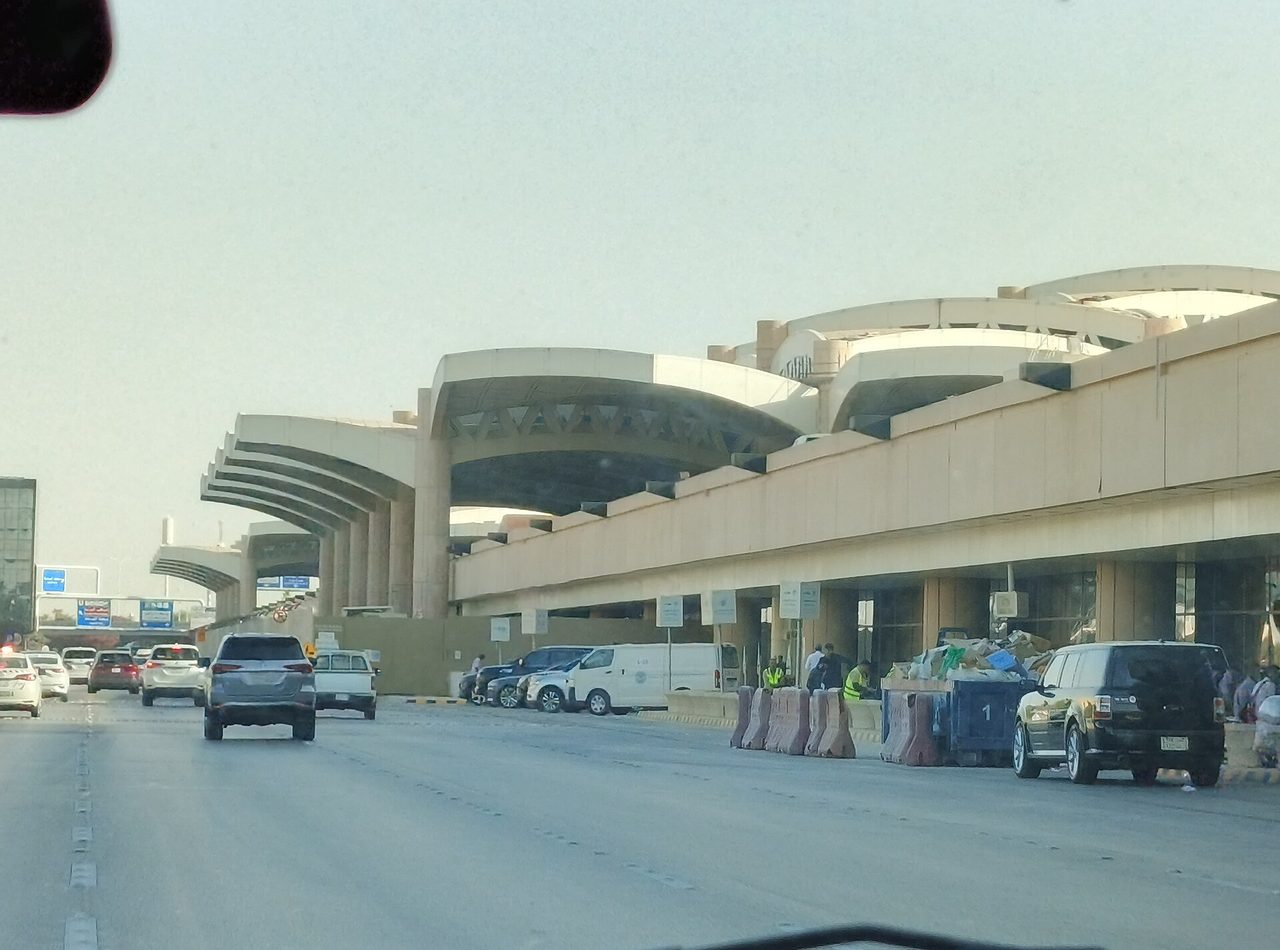
Photo: Kharbaan Ghaltaan / CC BY-SA 4.0 · via Wikimedia Commons
Riyadh Airport Reopens Under Fire as Houthis Vow More Strikes
Two terminals reopen after a two-week shutdown
King Khalid International Airport in Riyadh resumed limited operations on Sunday, October 25, after a two-week closure caused by Houthi strikes. The airport announced late Saturday that Terminal 1 would handle domestic flights and Terminal 2 would serve international flights operated by Saudi national carriers, effective Sunday. Terminals 3 and 4 remain closed, so the airport is running at only a fraction of its capacity.
The October 10 strike that forced the closure
The shutdown followed a Houthi-claimed missile attack on October 10 that killed at least 12 people and wounded 309, the deadliest attack inside the kingdom in more than a decade, according to Reuters. The dead included four Saudis, two Bangladeshis, and one national each from the United States, Jordan, Palestine, Syria, Sudan, and Egypt, the Saudi civil aviation authority said. Runways and communications systems were damaged, and a Saudia Airbus had already been destroyed in an attack on October 8. It was not the first hit: the Houthis first claimed a strike near the airport on September 19, and repeated attacks between October 6 and 11 finally forced the General Authority of Civil Aviation to suspend all operations.
Explosions over the capital on reopening day
The reopening came under fire from the start. Explosions rang out across Riyadh on Sunday morning, shortly after residents received alerts warning of a "hostile aerial threat" and urging them to shelter. Coalition spokesman Major-General Turki al-Maliki said air defenses intercepted a ballistic missile aimed at the capital, a drone over the Riyadh region, and a cruise missile targeting the southwestern city of Khamis Mushait, followed by 10 ballistic missiles fired toward the south. Debris from Saturday’s interceptions had fallen in Wadi al-Mughammas in the Makkah region as well as in Jeddah, Taif, and Rabigh. Flight tracking showed at least one plane departing Riyadh for Jeddah early Sunday.
Airlines stay away despite the reopening
Foreign carriers remain cautious. Flightradar24 data showed at least 572 flights from Riyadh cancelled on Tuesday, October 13 alone. Lufthansa Group suspended services until November 18, while Emirates, Etihad Airways, flydubai, Air Arabia, and Qatar Airways cancelled Riyadh flights; Air France KLM also extended its suspension. Indian carriers halted Riyadh operations as early as October 8, when an Air India flight from Delhi turned back mid-air.
"A military target": the Houthi warning
Hours after the reopening announcement, Houthi military spokesman Yahya Saree renewed his warning that King Khalid International Airport "remains a military target" and that operations against it would continue, telling all global, regional, and local airlines, airport staff, and travelers to avoid it. The Houthis had earlier warned against using Saudi airports and airspace altogether.
A summer escalation behind the crisis
The confrontation dates to this summer, when the Houthis accused Saudi Arabia of striking the airport in Yemen's capital, Sanaa, to block an Iranian plane from landing. The Houthis then launched a sustained aerial campaign against the kingdom, met by Saudi retaliatory strikes. Airport authorities kept Riyadh open through two earlier deadly attacks and closed it only after the mass-casualty strike of October 10. The Saudi-led coalition says Houthi attacks on Riyadh airport have killed 17 people, and emergency warnings were issued across Mecca, Jeddah, Taif, and Yanbu on October 24.
A fragile reopening, watched for new strikes
The question now is whether the reopening holds. Only two terminals are operating, foreign airlines still need case-by-case permission from the Saudi aviation authority, and the Houthis launch attacks daily while declaring the airport will "never be safe." Another successful strike could ground flights again, with knock-on effects for regional aviation and oil markets. Sunday's mass interception shows Saudi air defenses working at full stretch, but neither side shows any sign of backing down.
Sources
- Gulf News: Riyadh Airport Reopens as Coalition Intercepts Missile
- Reuters: Houthi strike on Saudi airport kills 12, worst attack on kingdom in a decade
- Al Jazeera: Saudi Arabia intercepts missiles and drones as fighting with Houthis rages
- Independent: Airlines cancel Saudi Arabia flights after deadly Riyadh airport blasts
- WION: Saudi Arabia intercepts 10 Houthi missiles, drones as Riyadh airport reopens