Merz Tells CSU: Fight Together, Reform Now, No Deals With the Fringe
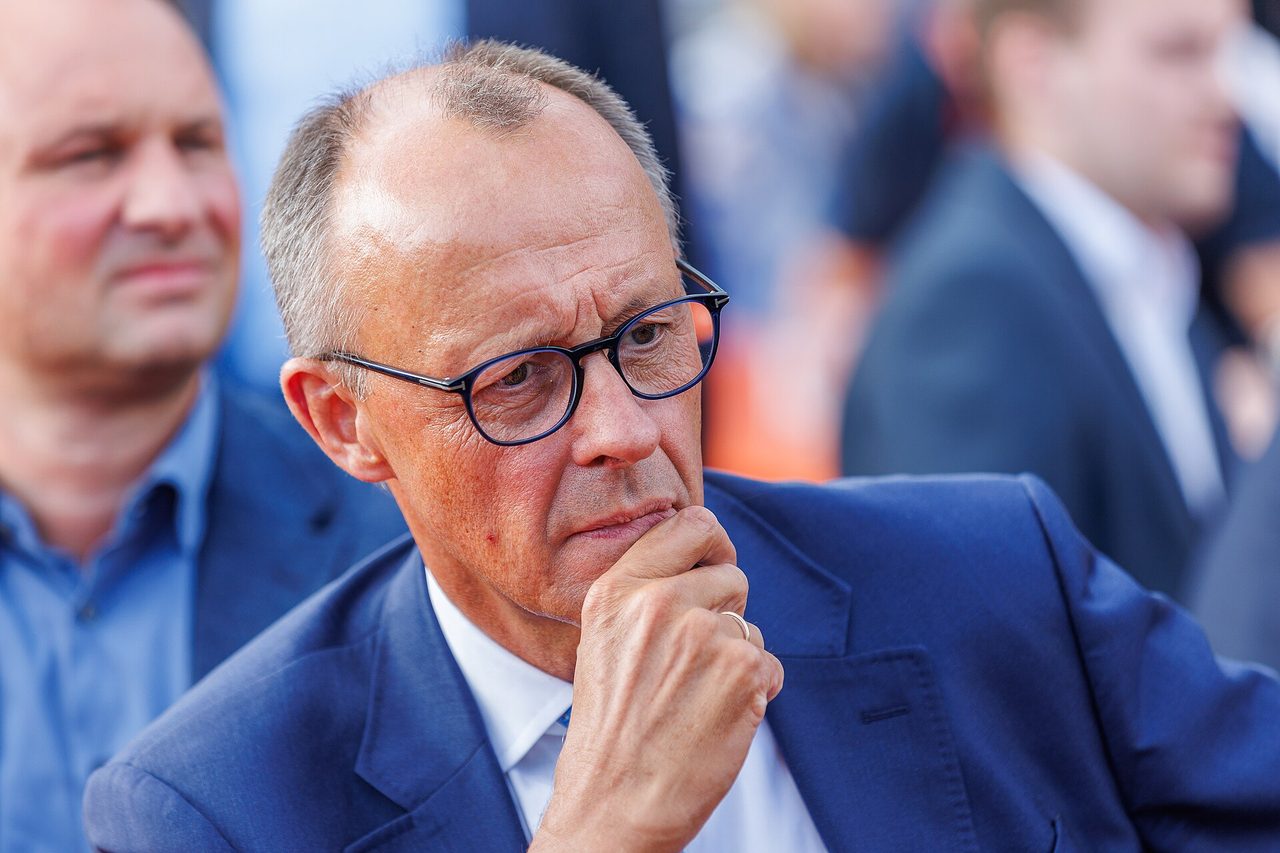
Photo: Steffen Prößdorf / CC BY-SA 4.0 · via Wikimedia Commons
Merz Tells CSU: Fight Together, Reform Now, No Deals With the Fringe
A unity speech before 700 delegates in Munich
German Chancellor and CDU leader Friedrich Merz addressed the CSU party conference in Munich on October 24, speaking for nearly an hour before some 700 delegates. His message: the CDU and CSU must stand closer together than ever to remain Germany's strongest political force. "We will have to fight," he told the hall.
Reforms now, not someday
The core of the speech was speed. "We need these reforms not at some point, but now," Merz said. The economy is under pressure, people are suffering from higher prices, and the social security systems face enormous challenges, with pensions, health care and nursing care all described as difficult tasks ahead. He pressed the governing coalition to implement its agreed reforms quickly.
Industry, investment and a lower electricity tax
Merz framed growth as the priority: companies willing to invest, a competitive industry, and Germany remaining an industrial nation. "We must get our economy back on a growth path," he said. On energy costs, he promised that if possible, the electricity tax should be lowered next year.
Warnings against extremists and against Russia
Merz said the country faces attacks from extremists on the far left and the far right, alongside external security threats. He accused Russia of posing a massive threat, seeking to destabilize Germany and upend Europe's security order. The Union, he said, will not hand the country over to such forces, and European cooperation remains essential.
A hard line on the AfD, pressure on the SPD and Greens
Using Saxony-Anhalt as an example, Merz declared that anyone who feels like voting for "these people" has no place in the CDU, drawing applause from CSU delegates. He accused the AfD of destabilizing Germany, abandoning Ukraine, spreading Russian narratives and isolating the country, and he repeated his rejection of any cooperation with the party. He also accused the Left Party of agitating against Jews, the police and Israel's right to exist, urging the SPD and Greens not to form a coalition with it in Berlin. The Left Party denies any systemic antisemitism.
Loud cheers for Aigner, silence on the presidency
The conspicuous silence concerned the "P question": the CSU is promoting Bavarian state parliament president Ilse Aigner as the next federal president to succeed Frank-Walter Steinmeier. Merz greeted Aigner with kisses on both cheeks, named her right after Markus Söder at the top of his speech to a storm of cheers and a near-standing ovation, and praised each CSU federal minister individually — Dobrindt, Bär and Rainer — yet said not a word about endorsing Aigner for the presidency.
A toy rocket and a show of unity under bad polls
CSU leader and Bavarian premier Markus Söder presented Merz with a model rocket "Made in Bavaria" meant for display in the Berlin Chancellery, and both men stressed the good cooperation between the sister parties. Merz struck a combative tone — "we don't look at the polls" — against a backdrop of weak polling, coalition friction over stalled reforms, and the recent resignation of SPD leader and Labour Minister Bärbel Bas, who had blamed attacks from Union ranks.
Sources
- DER SPIEGEL: CSU-Parteitag: Merz beschwört Zusammenhalt und drängt auf Reformtempo
- Euronews: "Schauen nicht auf die Umfragen" - Merz gibt sich bei der CSU kämpferisch
- WELT: Kanzler Merz: «Wir brauchen diese Reformen jetzt»
- Stuttgarter Zeitung: CSU-Parteitag in München: Merz fordert „Zukunftsmut“ und Offenheit gegenüber KI
- Kölner Stadt-Anzeiger: CSU-Parteitag: Friedrich Merz äußert sich nicht zu Steinmeier-Nachfolge