Letters Across the Yalu: Kim and Xi Reaffirm "Generational" Friendship as Russia Looms
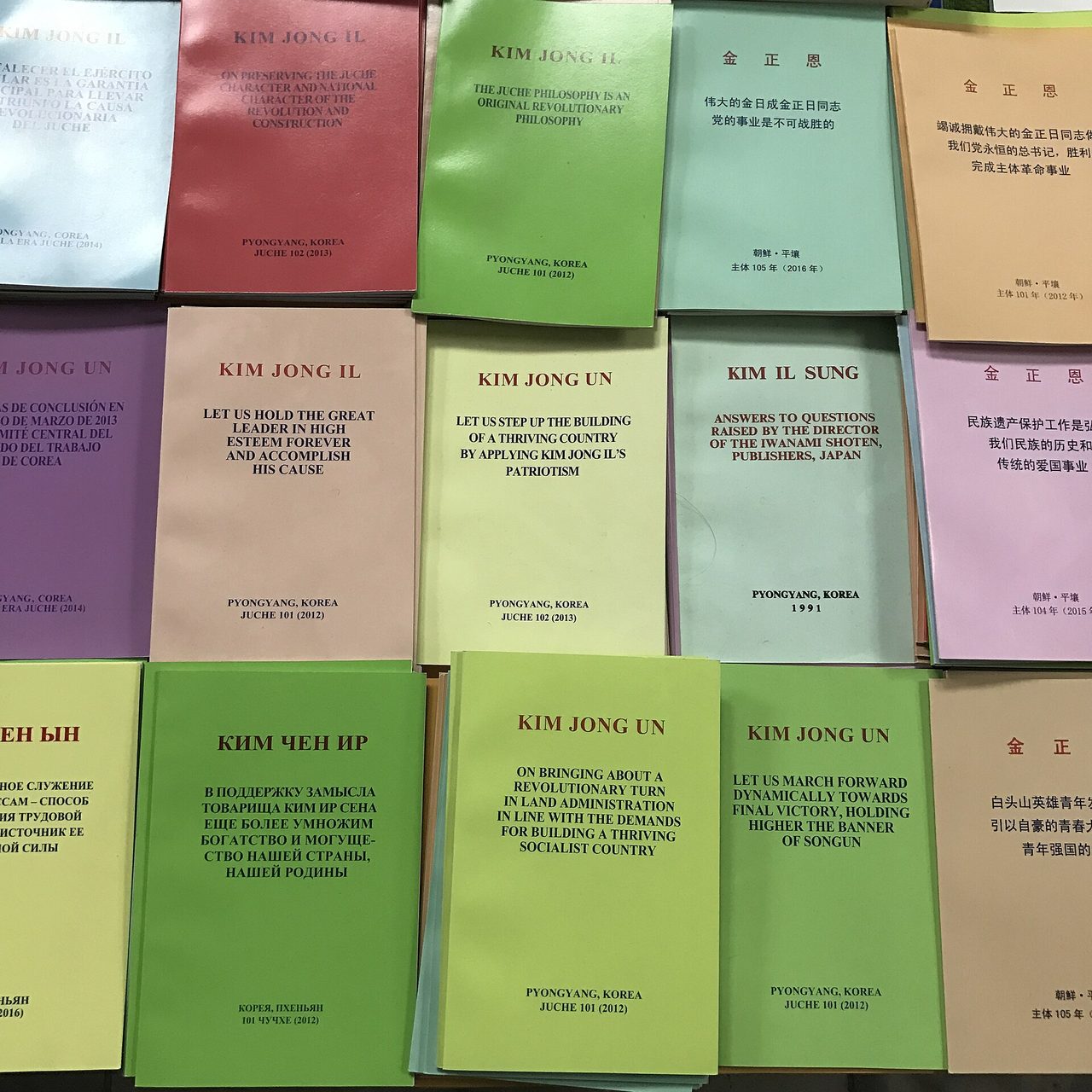
Photo: jennybento from Jackson Heights, usa / CC BY-SA 2.0 · via Wikimedia Commons
Letters Across the Yalu: Kim and Xi Reaffirm "Generational" Friendship as Russia Looms
A Reply Dated October 20, Reported With Fanfare
Chinese President Xi Jinping sent a reply letter to North Korean leader Kim Jong Un on October 20, answering Kim's congratulatory message of October 1, North Korea's state media reported on October 22. In it, Xi reaffirmed Beijing's commitment to strengthening ties with Pyongyang, saying the two countries have long supported each other across generations. The Korean Central News Agency carried the reply in full, a signal of how much weight Pyongyang attaches to the exchange.
"Mountains and Rivers": The Language of the Reply
"China and the DPRK are connected by mountains and rivers. Being friendly through generations, sharing a common destiny, and defending and helping each other have always been distinct characteristics of China-DPRK relations," Xi wrote, according to KCNA. He added that the two sides had "reached a series of important common understandings" at their summit during his state visit to Pyongyang in June, and that Beijing is ready to carry forward the traditional friendship, consolidate political trust, expand exchanges and cooperation, and keep up strategic communication.
Kim's October 1 Letter Set the Tone First
Kim's original message marked the 77th anniversary of the founding of the People's Republic of China, extending what KCNA called his "warmest congratulations and best wishes." In it, Kim pledged to lead bilateral relations to a "new strategic level," recalled his summits with Xi in Beijing last September and in Pyongyang this June, and noted that this year marks the 65th anniversary of the two countries' friendship treaty. The two leaders, Kim said, share the goal of turning an ideological bond "through life and death" into the strongest strategic relationship between socialist states.
From Estrangement in 2024 to a 2026 Thaw
The warmth follows a cold spell. Relations frayed in 2024 as North Korea deepened military ties with Russia, but the two neighbors have since moved to repair them. Kim attended China's Victory Day military parade in Beijing in September 2025, and Xi paid a two-day state visit to Pyongyang on June 8 and 9, 2026 — his first trip to the North since 2019. The June summit effectively elevated the relationship to a strategic partnership, though neither side's readout mentioned denuclearization, a silence analysts flagged as Beijing's tacit accommodation of Pyongyang's nuclear status.
A New Bridge Over the Yalu Opens
Concrete symbolism arrived last week with the opening of a new bridge linking Sinuiju and Dandong across the Yalu River. On October 24, Kim visited Dandong and crossed the newly opened bridge, a gesture covered by Xinhua and South Korean media as a sign of the two countries' push to expand commercial ties. Analysts expect only a modest rise in trade at first, but say the bridge could become a bellwether: visibly interrupted flows would hint at trouble in the relationship. "China remains economically indispensable to North Korea in ways that Russia cannot replace," one Seoul-based analyst noted.
The Russia Factor Beijing Cannot Ignore
Behind the pageantry lies Beijing's unease. Since 2022, North Korea has supplied Russia with artillery shells and missiles, and since 2024 has also sent troops, in exchange for food, crude oil and advanced military technology, reducing its dependence on Beijing. "China's interest in buttressing its influence in North Korea is certainly reinforced by the diversifying North Korea-Russia relationship — ties that China tolerates but watches closely," said Carla Freeman of Johns Hopkins University's School of Advanced International Studies. Peter Ward of the Sejong Institute added that Beijing wants to improve relations and manage events so Pyongyang does not drift too far toward Moscow.
What Comes Next for the Peninsula
Kim has every reason to let Beijing and Moscow compete for his favor: Russia needs his munitions and manpower, while Xi cannot afford to lose influence over a neighbor sharing a long border with northeast China. For the region, the letters matter less as protocol than as positioning. Observers will now watch three things: whether traffic across the new Yalu bridge grows beyond symbolism, whether another high-level exchange follows before year-end, and whether denuclearization — absent from every recent readout — returns to the agenda at all.
Sources
- Korea JoongAng Daily: Xi Jinping vows stronger China-North Korea ties in reply to Kim Jong-un
- The Korea Times: Xi reaffirms commitment to strengthening ties with N. Korea in reply to Kim Jong-un's letter
- Yonhap News Agency: Xi reaffirms commitment to strengthening ties with N. Korea in reply to Kim Jong-un's letter
- SBS: China's Xi Replies to North Korea's Kim: "Protecting and Helping Each Other Across Generations"
- The Korea Herald: Kim Jong-un pledges to elevate China ties to ‘new strategic level’ in letter to Xi - The Korea Herald