Indonesia's Worst Rout Since 1998: MSCI Threat Pushes Jakarta to a Six-Year Low
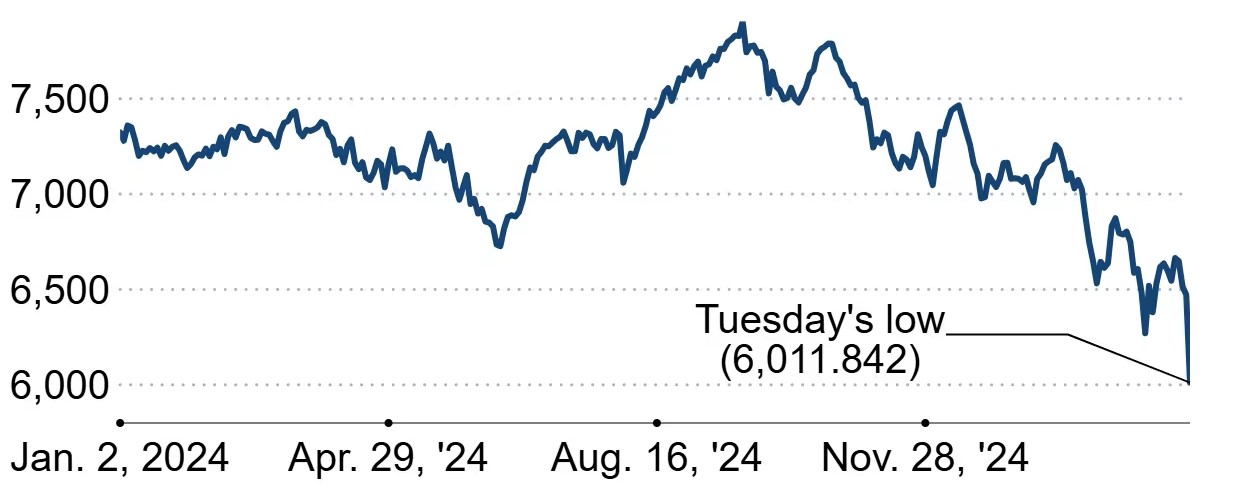
A one-day fall of 11.57%
What MSCI actually proposed
The trigger was an announcement from index provider MSCI. It said Indonesia's continued classification as an emerging market was "no longer appropriate" and launched a consultation on moving the country straight to "standalone" status, a harsher outcome than the frontier-market downgrade investors had been bracing for. Standalone markets sit outside both MSCI's emerging and frontier index families, placing Indonesia alongside markets such as Lebanon and Zimbabwe. Feedback runs until April 30, 2027, with a final decision due on or before June 30, 2027; MSCI may publish an interim read on investor responses.
Why: opacity, concentration, coordinated trading
The outflow math
Analysts are trying to size the forced selling. Goldman Sachs estimates a full removal could pull about $5.6 billion from passive funds, with another $2.7 billion at risk if FTSE Russell follows suit; in a separate estimate it put the worst case at up to $13 billion, against $7.8 billion in January. Mirae Asset Sekuritas Indonesia sees roughly $3 billion, and Citigroup puts it in the mid-single-digit billions. Citi argues standalone status would be "unambiguously worse" than a frontier downgrade, because there would be no frontier-index inflow to offset the exit of every remaining emerging-market-benchmarked passive dollar.
Rupiah, bonds and the central bank
A "big question mark" from Jakarta
Officials were visibly rattled. Coordinating economic minister Airlangga Hartarto said there was "a big question mark" over why MSCI did not raise the plan during this week's IMF-World Bank meetings in Bangkok, where Indonesian officials were present. He called for concrete reforms with a clear timeline and announced a high-level coordination meeting involving the government, the Financial System Stability Committee, the OJK, Bank Indonesia and the exchange. OJK said it respected the process and cited Indonesia's fundamentals; the Indonesia Stock Exchange said it respected MSCI's independence, would seek clarification, and admitted the announcement was "unexpected to us, causing a market panic." OJK also unveiled millions of dollars in sanctions against parties linked to alleged trading manipulation in three listed firms.
Who sells, and who gets hurt
Two dates to watch
For investors, the calendar now matters more than the sentiment. The consultation closes on April 30, 2027, and the verdict lands by June 30, 2027. FTSE Russell has already kept Indonesia in its secondary emerging-market group and off its watchlist, one of the few index signals running the other way. Until Indonesia's standing is clear, analysts expect foreign selling and currency and bond volatility to persist, with the JCI's 5,000 level now the line that matters most to confidence.